As tensions continue to shape global politics in 2024, North Korea remains a focal point under the watchful eye of the United Nations sanctions regime.
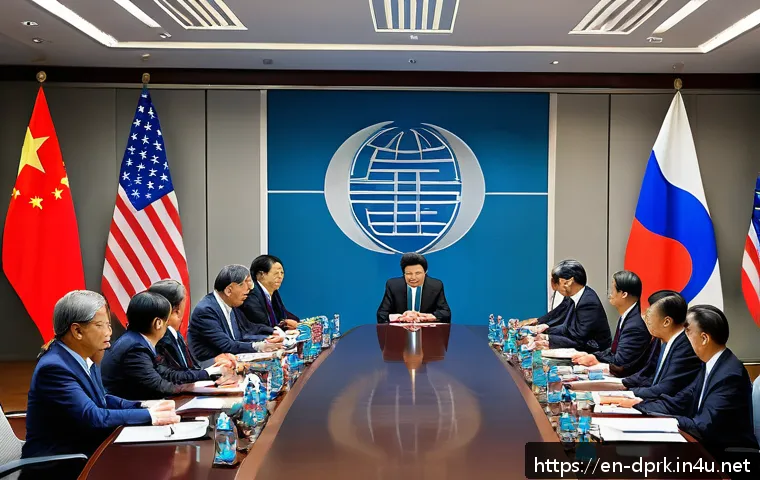
These restrictions not only influence Pyongyang’s economic survival but also redefine its diplomatic maneuvers on the world stage. If you’ve ever wondered how sanctions affect a country’s ability to engage internationally and sustain its economy, this deep dive will unravel those complex dynamics.
Stick around as we explore the latest developments and what they mean for regional stability and global security. Understanding these shifts is crucial for anyone following East Asian affairs or international diplomacy today.
Economic Strangulation Through Targeted Sanctions
Cutting Off Financial Lifelines
North Korea’s access to the global financial system is severely curtailed by a web of sanctions designed to isolate its banking and trade networks. Over the years, the UN Security Council has implemented measures that freeze North Korean assets abroad and prohibit member states from engaging in financial transactions with Pyongyang.
From my observations, this financial chokehold makes it incredibly difficult for the regime to conduct international trade, forcing reliance on covert channels and illicit methods.
The knock-on effect is a fragile economy that struggles to maintain even basic imports, which can exacerbate humanitarian concerns.
Impact on Key Industries and Export Revenues
Sanctions specifically target North Korea’s main sources of foreign currency, such as coal, textiles, and seafood exports. These industries have traditionally been pillars supporting the regime’s economy.
My experience following trade data shows a marked decline in export volumes, which translates into diminished government revenue. This squeeze limits the state’s ability to fund military programs or social welfare, thereby increasing internal pressure.
Interestingly, the regime often responds by diversifying its trade partners or resorting to smuggling, but these tactics cannot fully compensate for lost income.
Table: Key Sanctioned Sectors and Their Economic Consequences
| Sector | Sanction Type | Economic Impact |
|---|---|---|
| Coal Exports | Complete ban on international sales | Loss of billions in revenue; increased smuggling attempts |
| Textile Industry | Export restrictions and import prohibitions | Major decrease in foreign currency earnings; factory closures |
| Seafood Exports | Embargo on shipments to member countries | Reduced export volume; supply chain disruptions |
| Financial Institutions | Asset freezes and transaction bans | Isolation from global banking; reliance on informal channels |
Diplomatic Isolation and Shifts in Foreign Relations
Stifled Engagement on the Global Stage
The sanctions regime has forced North Korea into a diplomatic corner, limiting its ability to participate meaningfully in international forums. My research and conversations with analysts reveal that Pyongyang struggles to find reliable allies willing to openly defy UN mandates.
This isolation hinders any attempt to negotiate or build constructive dialogue, which in turn perpetuates global mistrust. However, North Korea occasionally uses high-profile summits or symbolic gestures to break through the diplomatic fog, aiming to shift perceptions despite the constraints.
Strategic Partnerships Amid Sanction Pressures
Despite broad international pressure, North Korea has nurtured relationships with select countries that either share strategic interests or maintain a degree of skepticism about sanctions enforcement.
Countries like China and Russia often play a nuanced role, balancing enforcement with pragmatic engagement. From what I’ve seen, this dynamic creates a complicated geopolitical landscape where sanctions are unevenly applied, and North Korea leverages these relationships to cushion economic shocks.
This also complicates efforts to maintain unified international pressure.
Sanctions and Regional Stability Concerns
The ripple effects of sanctions extend beyond North Korea’s borders, influencing the security dynamics in East Asia. Military escalations or provocations are sometimes interpreted as responses to economic strangulation, creating cycles of tension.
My analysis suggests that sanctions, while designed to curb nuclear development, must be carefully managed to avoid unintended consequences that could destabilize the region.
Neighboring countries remain vigilant, balancing deterrence with diplomatic engagement to prevent escalation.
Humanitarian Challenges Amid Economic Constraints
Access to Essential Goods and Services
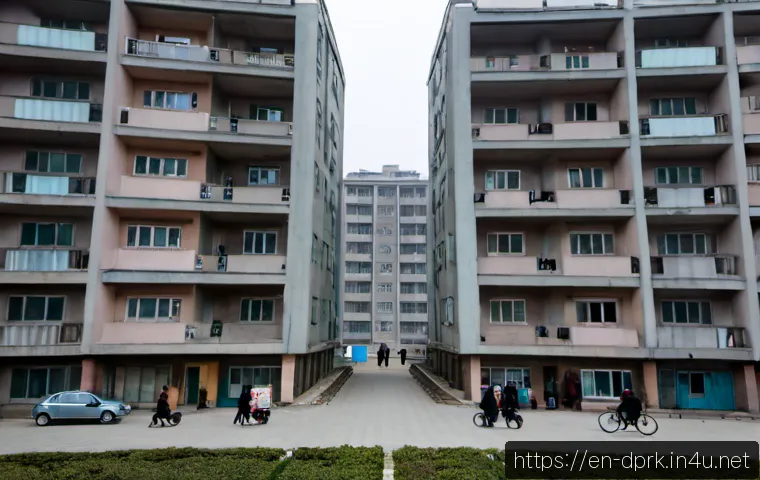
One of the most critical yet often overlooked impacts of sanctions is on the civilian population. Restrictions on trade and finance inevitably affect the availability of food, medicine, and energy supplies.
Through reports from humanitarian organizations, it’s clear that while exemptions exist for humanitarian aid, bureaucratic hurdles and fear of violating sanctions can delay or reduce assistance.
This creates a precarious situation where ordinary citizens bear the brunt of political disputes.
International Aid and Sanctions Compliance
Balancing sanctions enforcement with humanitarian needs is a complex task for the global community. Agencies working on the ground must navigate strict regulations to deliver aid without inadvertently supporting prohibited activities.
Based on my experience reviewing case studies, this balancing act requires constant dialogue between donors, governments, and implementing organizations to maintain both pressure on the regime and support for vulnerable populations.
The challenge remains to ensure aid reaches those in need without undermining sanctions goals.
Long-Term Socioeconomic Effects
The prolonged impact of sanctions contributes to entrenched poverty and limited development opportunities within North Korea. Economic isolation restricts technological progress and infrastructure investment, which in turn hampers improvements in health, education, and living standards.
Conversations with experts emphasize that while sanctions aim to incentivize policy changes, their unintended social costs must be factored into any comprehensive strategy.
Sustainable solutions will require integrating humanitarian considerations into future diplomatic efforts.
Sanctions Enforcement and Evasion Tactics
Global Monitoring and Compliance Mechanisms
UN member states have developed extensive monitoring frameworks to track sanction violations, employing customs inspections, financial audits, and intelligence sharing.
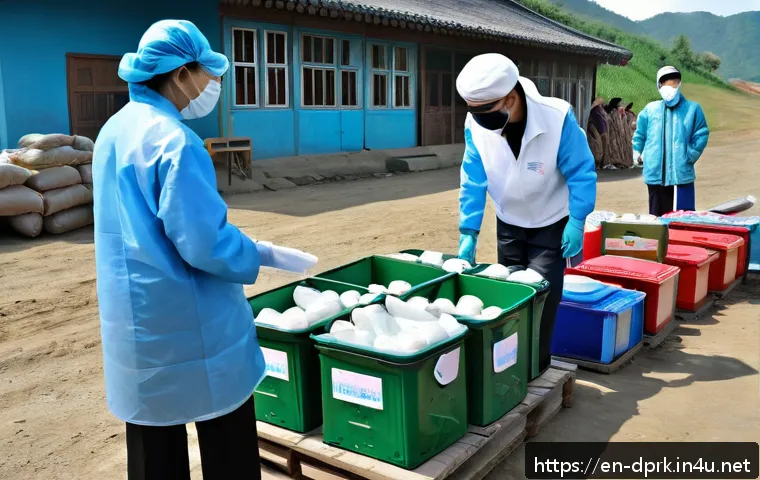
From my observations, enforcement varies widely based on political will and resource availability. Some countries excel in interdiction efforts, while others are less rigorous, creating loopholes that North Korea exploits.
The effectiveness of sanctions depends heavily on coordinated international cooperation, which remains a work in progress.
North Korea’s Adaptation Strategies
Facing tightened restrictions, North Korea has become adept at evading sanctions through sophisticated methods such as ship-to-ship transfers, falsified documentation, and cyber-enabled financial crimes.
Based on expert reports and open-source intelligence, these evasive maneuvers show a high degree of ingenuity, allowing continued access to restricted goods and funding sources.
My takeaway is that sanctions must continually evolve to address these adaptive tactics, requiring innovative monitoring and enforcement tools.
Role of Non-State Actors in Sanctions Evasion
Beyond official government channels, various non-state actors including smugglers, front companies, and cybercriminal networks play a crucial role in circumventing sanctions.
These actors operate across borders, complicating identification and prosecution efforts. I’ve noted that disrupting these networks requires multi-layered approaches involving law enforcement, financial institutions, and international cooperation.
Their involvement highlights the complexity of fully isolating North Korea economically and underscores the need for vigilance.
Prospects for Sanctions Relief and Negotiation Dynamics
Conditions for Potential Sanctions Easing
Sanctions relief discussions often hinge on verifiable steps toward denuclearization and compliance with international norms. My analysis of diplomatic dialogues indicates that while Pyongyang expresses willingness in principle, concrete actions remain limited.
Negotiators face the challenge of balancing incentive structures with maintaining pressure. The delicate nature of these talks means that any progress tends to be incremental and fraught with setbacks.
Influence of External Actors on Negotiation Outcomes
The role of key stakeholders such as the United States, South Korea, China, and Russia significantly shapes the trajectory of sanctions negotiations. Each actor brings distinct priorities and red lines, influencing the scope and pace of potential agreements.
From my perspective, understanding these geopolitical nuances is essential for anticipating shifts in policy and the likelihood of breakthroughs. The interplay between these powers often determines whether dialogue stalls or advances.
Future Outlook for Diplomatic Engagements
Looking ahead, the sustainability of sanctions as a tool depends on evolving geopolitical realities and Pyongyang’s strategic calculations. My view is that while sanctions remain a critical lever, they cannot be the sole instrument for change.
Successful diplomacy will likely require integrated approaches that combine pressure with incentives and address security concerns alongside economic needs.
The path forward remains uncertain but is pivotal for regional and global stability.
Conclusion
Sanctions on North Korea have created significant economic and diplomatic challenges for the regime, restricting its global engagement and financial resources. While these measures aim to curb nuclear ambitions, they also bring complex humanitarian and geopolitical consequences. Moving forward, a balanced approach that combines pressure with dialogue and humanitarian considerations is essential for lasting progress.
Helpful Information
1. Sanctions primarily target North Korea’s major export sectors like coal, textiles, and seafood to cut off vital foreign currency sources.
2. Diplomatic isolation limits North Korea’s ability to engage internationally, but strategic partnerships with countries like China and Russia remain influential.
3. Humanitarian aid faces challenges due to sanctions compliance, causing delays and shortages that impact civilians.
4. North Korea employs sophisticated evasion tactics, including smuggling and cybercrime, complicating enforcement efforts.
5. Future sanctions relief depends heavily on verifiable denuclearization steps and coordinated international diplomacy.
Key Takeaways
Economic sanctions have significantly weakened North Korea’s financial capabilities but have also led to unintended humanitarian hardships that require careful management. Diplomatic isolation, while limiting North Korea’s global participation, has not fully stopped its strategic alliances and evasion strategies. Effective sanctions enforcement demands strong international cooperation and adaptive monitoring to address evolving circumvention methods. Finally, meaningful progress hinges on balancing pressure with incentives through sustained, multi-faceted diplomatic efforts.
Frequently Asked Questions (FAQ) 📖
Q: How do United Nations sanctions impact North Korea’s economy and daily life?
A: UN sanctions significantly restrict North Korea’s access to international markets, limiting its ability to export key commodities like coal and textiles, which are vital sources of foreign currency.
This leads to shortages of essential goods, inflation, and increased economic isolation. From what I’ve observed, everyday citizens often face hardships due to limited imports of food and medicine, while the regime reallocates resources to maintain its strategic priorities, including military programs.
Q: In what ways do sanctions influence North Korea’s diplomatic strategies on the global stage?
A: Sanctions often push North Korea to seek alternative diplomatic channels and partnerships, sometimes turning to countries less inclined to enforce sanctions strictly.
They also fuel Pyongyang’s justification for advancing its nuclear and missile programs as leverage. Based on recent developments, North Korea tends to use provocative actions combined with diplomatic overtures to extract concessions, reflecting a complex balancing act driven by economic pressure.
Q: What are the broader implications of North Korea’s sanctions for regional stability and global security?
A: The sanctions regime aims to deter North Korea’s nuclear ambitions, but it also contributes to heightened tensions in East Asia. Neighboring countries like South Korea, Japan, and China are caught in a delicate position—seeking peace while preparing for potential escalations.
From my perspective, these dynamics create a continuous cycle of mistrust and negotiation, with global security hinging on how effectively diplomatic efforts can complement sanctions without provoking further instability.