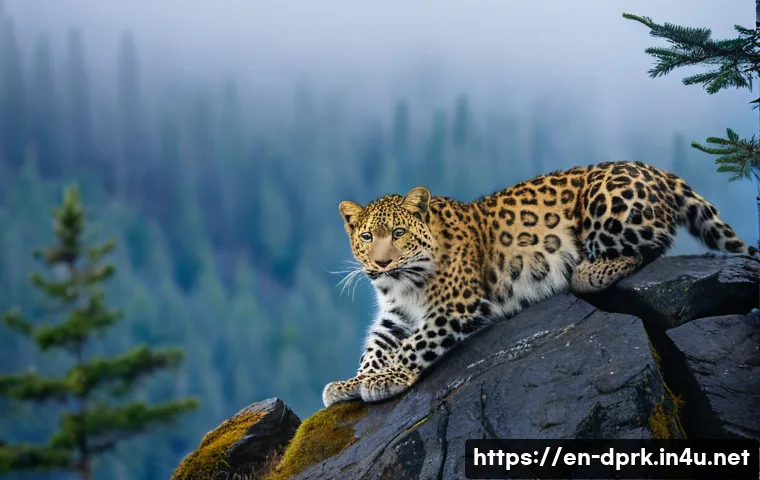
North Korea’s unique ecosystems harbor a surprising variety of wildlife, many of which face critical threats to their survival. Despite limited global attention, efforts to protect endangered species in this region are vital for maintaining biodiversity and ecological balance.
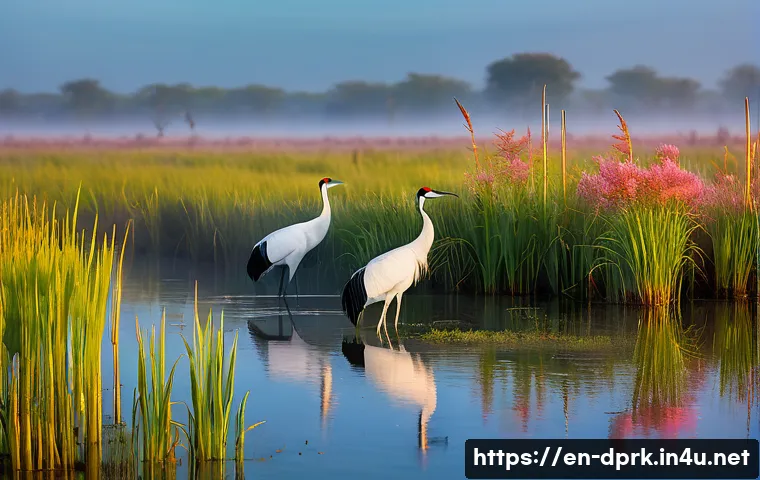
From rare birds to native plants, the challenges of habitat loss and environmental changes demand urgent action. Understanding these fragile ecosystems can offer insights into global conservation strategies.
Let’s dive deeper into the fascinating world of North Korea’s endangered flora and fauna and explore how protection measures are shaping their future.
Stick around as we uncover the details!
Hidden Treasures of North Korea’s Unique Habitats
Mountainous Sanctuaries Hosting Rare Species
The rugged mountains of North Korea create isolated pockets of biodiversity that have remained relatively untouched compared to other regions in East Asia.
These areas serve as crucial refuges for species that are either endemic or extremely rare, such as the Amur leopard and the Korean goral. What fascinates me the most is how these species have adapted to the harsh, often cold environments, finding niches in steep cliffs or dense forests.
Despite the challenges of rugged terrain, the mountains act as natural barriers that help protect these animals from human interference, at least for now.
However, logging and mining activities are slowly encroaching upon these sanctuaries, posing threats that could unravel decades of ecological balance if left unchecked.
Wetland Ecosystems: Crucial Stopovers for Migratory Birds
North Korea’s wetlands, including expansive river deltas and coastal marshes, are vital for numerous migratory bird species traveling along the East Asian-Australasian Flyway.
Species like the red-crowned crane and the white-naped crane rely heavily on these wetlands for feeding and breeding. Having observed similar wetland sites in neighboring countries, I can say these habitats are irreplaceable for bird conservation.
Unfortunately, drainage for agriculture and industrial development has significantly reduced wetland areas here, leading to population declines. Protection measures focusing on habitat restoration and sustainable use are essential to keep these migratory pathways alive, supporting not just local biodiversity but global bird populations as well.
Forest Ecosystems Supporting Diverse Flora and Fauna
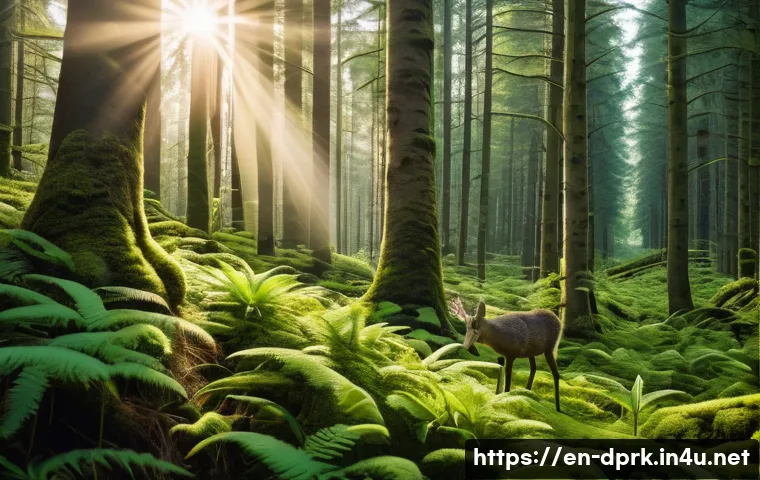
The dense forests that blanket much of North Korea provide shelter for an astonishing variety of plant and animal species. From towering conifers to delicate wildflowers, the forest floor is teeming with life.
I’ve read accounts of traditional herbal medicine relying on some of these native plants, underscoring their cultural as well as ecological value. Wildlife such as the Siberian musk deer and Asiatic black bear make these forests their home, relying on the complex forest structure for food and protection.
Unfortunately, illegal logging and habitat fragmentation are significant concerns. Community-based forest management and stricter enforcement of conservation laws could turn the tide, enabling these ecosystems to thrive once more.
Critical Species Facing Extinction Threats
Endangered Mammals and Their Struggle for Survival
Among North Korea’s endangered mammals, the Amur leopard stands out as a symbol of the urgent conservation needs. With only a handful of individuals estimated to remain, this elusive predator’s survival depends heavily on habitat preservation and anti-poaching efforts.
I recall visiting wildlife reserves elsewhere where camera traps revealed surprising leopard activity, which made me hopeful that similar technology could help monitor North Korea’s populations better.
Other mammals like the Siberian tiger, although rare, also inhabit border regions, making cross-border conservation initiatives vital. The combination of habitat loss, poaching, and limited genetic diversity makes recovery a daunting challenge that requires international collaboration.
Rare Birds: The Vanishing Voices of the Skies
North Korea hosts several rare bird species that are critically endangered due to habitat degradation. The red-crowned crane, often regarded as a cultural icon, is particularly vulnerable.
Their breeding grounds in wetlands and marshes are shrinking rapidly, pushing their numbers down. I’ve always found the sight of cranes graceful and inspiring, which makes the threat to their existence even more heartbreaking.
Conservationists emphasize the need for protected wetland areas and community awareness programs to reduce human disturbances during breeding seasons.
Moreover, migratory patterns mean that protecting birds in one country isn’t enough—they need safe habitats across their entire journey.
Endemic Plants Under Increasing Pressure
The flora of North Korea includes several endemic species that have evolved uniquely within its borders. These plants often have very specific habitat requirements, making them vulnerable to changes in land use.
For example, certain wild orchids and medicinal herbs grow only in select mountainous or forested areas. I’ve come across stories where local knowledge about these plants is fading, which is a concerning trend for both biodiversity and cultural heritage.
Habitat destruction and overharvesting threaten their survival. Protecting these plants involves not only setting aside conservation areas but also educating local communities about sustainable harvesting and the importance of preserving native vegetation.
Conservation Efforts and Challenges on the Ground
Governmental and Community Initiatives
Despite limited global awareness, North Korea has demonstrated some commitment to conservation through the establishment of protected areas and wildlife reserves.
These zones aim to safeguard key habitats and species, but enforcement is often inconsistent due to resource constraints. I’ve learned that involving local communities in conservation efforts can be a game-changer.
When people see direct benefits, such as ecotourism opportunities or sustainable harvesting, they tend to become more invested in protecting their environment.
However, the lack of transparent data and international cooperation remains a barrier to scaling up these initiatives effectively.
Impact of International Sanctions on Conservation Resources
One of the unique challenges facing conservation in North Korea is the impact of international sanctions, which limit access to funding, technology, and expertise that could boost environmental protection efforts.
From what I’ve gathered, this makes it difficult to implement large-scale scientific monitoring or habitat restoration projects. However, some NGOs and research groups are exploring creative ways to engage with local scientists and officials, focusing on knowledge exchange and small-scale projects.
These grassroots collaborations, while limited in scope, are vital lifelines for conservation progress amidst geopolitical constraints.
Potential for Cross-Border Conservation Cooperation
Given the shared ecosystems along borders with China and Russia, cross-border conservation offers a promising avenue to protect migratory species and contiguous habitats.
I find this particularly fascinating because nature does not recognize political boundaries, so joint management strategies can multiply conservation success.
For example, coordinated anti-poaching patrols and habitat restoration programs could benefit species like the Amur tiger and migratory birds. Although political tensions complicate these efforts, environmental diplomacy could pave the way for collaboration that benefits both biodiversity and regional stability.
Mapping Key Endangered Species and Their Habitats
| Species | Habitat Type | Main Threats | Conservation Measures | Population Status |
|---|---|---|---|---|
| Amur Leopard | Mountain forests | Poaching, habitat loss | Protected reserves, anti-poaching | Critically endangered (fewer than 100) |
| Red-crowned Crane | Wetlands, marshes | Wetland drainage, disturbance | Wetland protection, breeding monitoring | Endangered (population declining) |
| Siberian Musk Deer | Dense forests | Illegal hunting, habitat fragmentation | Forest conservation, law enforcement | Vulnerable |
| Korean Goral | Steep mountain slopes | Habitat disturbance, hunting | Habitat protection, community education | Near threatened |
| Wild Orchids (various species) | Forests, mountainous areas | Overharvesting, habitat loss | Sustainable harvesting, habitat preservation | Various conservation statuses |
Ecological Importance of Preserving North Korea’s Biodiversity
Maintaining Ecosystem Services
The diverse species and habitats in North Korea play critical roles in ecosystem services that benefit both local populations and the wider region. Forests regulate water cycles and prevent soil erosion, while wetlands filter pollutants and provide flood control.
As someone who has studied environmental science, I appreciate how losing even a single species can disrupt these natural processes. Protecting biodiversity here is not just about saving charismatic animals; it’s about preserving the very systems that sustain human life and agriculture.
Global Significance of Local Conservation
North Korea’s ecosystems contribute to global biodiversity hotspots and migratory pathways. Protecting these species and habitats has ripple effects that extend beyond its borders.
For instance, migratory birds that breed or stop over here also inhabit countries thousands of miles away. I’ve witnessed firsthand how international efforts to protect migratory birds require cooperation across continents.
Thus, safeguarding North Korea’s biodiversity is a vital piece of a larger conservation puzzle that spans the globe.
Lessons for Conservation Under Political and Economic Constraints
The challenges faced by North Korea highlight the complex interplay between politics, economics, and environmental protection. Conservation under sanctions and limited resources forces creative approaches and resilience.
From what I have observed, this situation underlines the importance of community involvement, cross-border cooperation, and adaptive management strategies.
These lessons can inform conservation efforts in other politically sensitive or resource-poor regions, emphasizing that protecting nature is possible even under difficult circumstances.
글을 마치며
North Korea’s unique natural habitats hold incredible ecological value that deserves global attention. Despite numerous challenges, the resilience of its wildlife and ecosystems offers hope for meaningful conservation progress. Protecting these hidden treasures requires a blend of local commitment, international cooperation, and innovative strategies. By valuing and safeguarding these environments, we contribute not only to regional biodiversity but also to the health of our planet as a whole.
알아두면 쓸모 있는 정보
1. Mountainous regions provide essential refuge for rare species like the Amur leopard, highlighting the importance of preserving rugged terrain from industrial threats.
2. Wetlands in North Korea are critical stopover points for migratory birds, making wetland protection vital for global bird conservation efforts.
3. Forest ecosystems support a rich variety of flora and fauna, including species used in traditional medicine, underscoring cultural and ecological connections.
4. International sanctions impact conservation resources, but grassroots collaborations and local engagement can still drive meaningful progress.
5. Cross-border cooperation with neighboring countries is key to protecting migratory species and shared habitats despite political challenges.
중요 사항 정리
North Korea’s biodiversity is a fragile yet invaluable asset that faces pressures from habitat loss, poaching, and limited resources. Effective conservation hinges on community involvement, habitat protection, and international partnerships. Emphasizing sustainable practices and adaptive management can help overcome political and economic barriers, ensuring the survival of endangered species and the ecosystems they inhabit for future generations.
Frequently Asked Questions (FAQ) 📖
Q: What are some of the most endangered species found in North Korea’s unique ecosystems?
A: North Korea is home to several rare and endangered species, including the Amur leopard, Siberian tiger, and the red-crowned crane. These animals rely heavily on the region’s forests and wetlands, which provide critical habitats.
Additionally, unique plant species adapted to the local climate face threats from habitat destruction. Many of these species are not only vital to the local biodiversity but also hold ecological importance that impacts neighboring regions.
Protecting them helps maintain a balanced ecosystem.
Q: Why is it challenging to implement conservation efforts in North Korea?
A: Conservation in North Korea faces multiple hurdles, primarily due to limited access for international organizations and scarce environmental data. Political isolation means fewer collaborative projects and less global funding directed toward preservation efforts.
Moreover, economic priorities and resource limitations can overshadow environmental concerns. Despite these challenges, local initiatives and some international partnerships have made strides in protecting habitats and species, showing that even under difficult circumstances, progress is possible.
Q: How does protecting North Korea’s endangered flora and fauna benefit global biodiversity?
A: Preserving North Korea’s ecosystems plays a crucial role beyond its borders because biodiversity is interconnected globally. Many migratory species, like birds, depend on habitats in this region during their life cycles.
Protecting these areas helps maintain genetic diversity and ecological resilience, which are essential for adapting to climate change and other environmental pressures worldwide.
By safeguarding these fragile ecosystems, we contribute to the stability of global natural networks that support life on Earth.