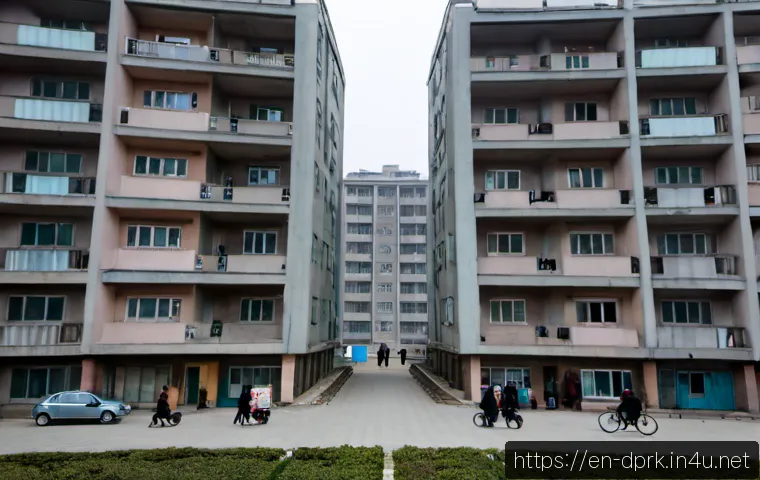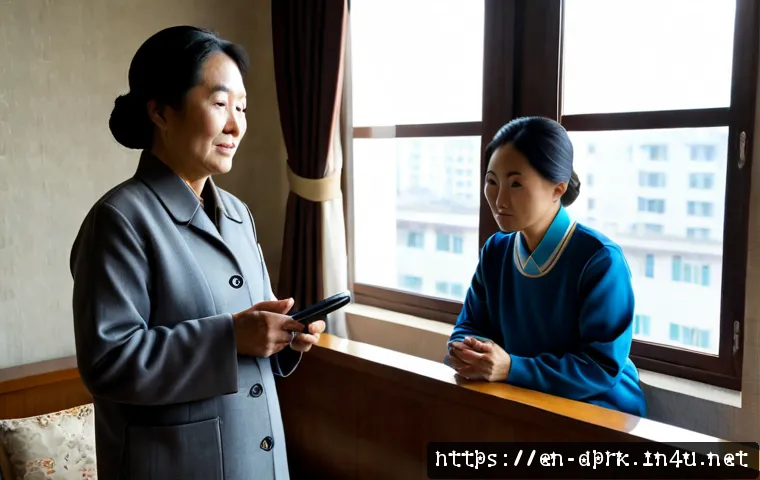
Mobile phone access in North Korea has expanded substantially since domestic cellular services were introduced in the late 2000s, especially in cities and population centers.
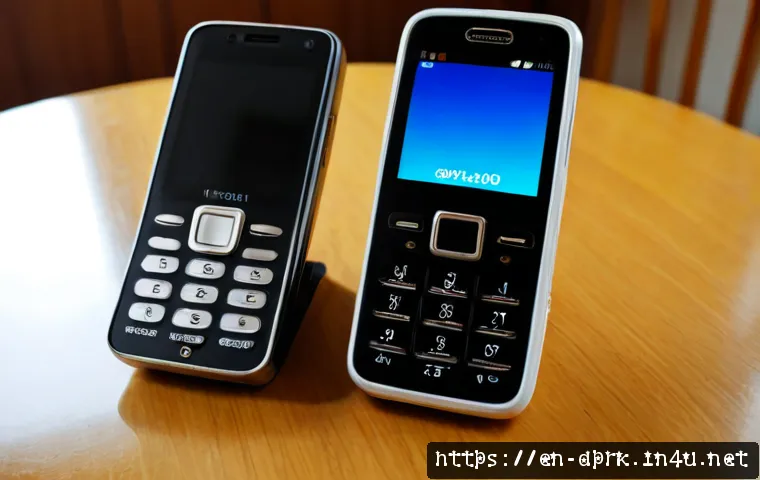
However, having a phone does not mean having open-internet access, private communications, or the same network options available in other countries. Ordinary local users primarily use a domestic intranet, while international calling and unrestricted global internet access are generally unavailable to them.
Foreign visitors have historically used different SIM, calling, and data arrangements from local citizens. For researchers and organizations, the main challenge is separating well-established patterns from subscriber counts, coverage claims, and device reports that cannot be independently verified.
Specialist country-risk research and telecommunications intelligence can be useful when decisions involve compliance, travel, security, or investment exposure.
At a Glance
- Phone ownership: Mobile access has grown, particularly in urban areas, but reliable nationwide ownership figures are difficult to verify.
- Network access: Local subscribers generally use domestic cellular services and a controlled intranet rather than the open global internet.
- Freedom and privacy: Device activity, media files, and digital communications may be monitored or restricted.
| User group | Likely access environment | Key restrictions or differences | What requires verification |
|---|---|---|---|
| Local subscribers | Domestic cellular service, with stronger availability in cities and population centers | Primarily domestic intranet access; unrestricted global internet and international calling are generally unavailable | Current coverage, tariffs, active subscriber totals, handset availability, and regional service quality |
| Foreign visitors | Historically separate SIM, calling, and data-access arrangements | Conditions may differ significantly from those for North Korean citizens | Current visitor rules, data arrangements, permitted services, and device requirements |
| Institutional researchers | Public reporting, specialist country-risk research, telecom intelligence, and security analysis | Evidence may be incomplete, dated, or based on limited observations | Methodology, update frequency, source transparency, regional context, and licensing terms |
What Mobile Phone Access Means Inside North Korea
Three Quick Answers: Availability, Functions, and Restrictions
Mobile phone use in North Korea is no longer an unusual concept. Domestic cellular services introduced in the late 2000s were followed by substantial expansion in access. Still, the most useful answer is not simply “yes, people have phones.” The meaningful questions are where service is available, what network a person can use, and what controls apply.
Access has generally been more available in cities and population centers than in remote areas. Phones available in the country have included imported handsets as well as locally branded or assembled models. Yet the presence of a handset should not be treated as proof of a consistent service experience, modern device capability, or broad digital freedom.
For any policy, security, or business-risk assessment, separate three issues: phone possession, network connectivity, and access to the global internet. They are related, but they are not the same thing.
Why Phone Access Should Not Be Confused With Open Internet Access
North Korean users primarily access a domestic intranet rather than the open global internet. This distinction changes how mobile phone adoption should be interpreted. A growing number of subscribers may indicate wider domestic communications infrastructure, but it does not establish that users can freely browse international websites, use global social platforms, or communicate without restrictions.
International calling and unrestricted internet access are generally not available to ordinary local subscribers. As a result, subscriber estimates alone are a weak measure of digital openness. They also do not show whether communications are private, whether content is accessible, or whether a user can reach people outside the country.
How the Mobile Network Has Expanded—and Where the Limits Remain
Urban Access, Regional Gaps, and Uncertainty Around Coverage
The broad pattern is clear: cellular access has expanded substantially, and cities or population centers have generally had better availability than remote areas. The details are much less clear. Independently verified nationwide coverage maps, current regional quality data, and consistent network performance information are difficult to obtain.
This matters for telecommunications research. A reported network upgrade, a newly observed handset, or an account from one location may describe a real development without representing the entire country. Local observations should not automatically be generalized nationwide.
When reviewing a telecom intelligence service or country-risk report, look for language that distinguishes confirmed information from informed estimates. Strong research explains geographic limits, dates its findings, and identifies whether a conclusion applies to cities, selected institutions, foreign visitors, or the broader population.
Why Subscriber Estimates Require Caution
The current number of active subscribers and the true share of the population with regular phone access remain uncertain. A subscriber estimate can be useful as a directional indicator, but it should not be treated as a precise national measure without a transparent methodology.
Several questions may remain unanswered: Does an estimate refer to active accounts or registered SIM cards? Does it reflect service outside major population centers? Does it distinguish citizens from other user groups? Is the source current? Without those details, a single number can create more confidence than the evidence supports.
For country-risk analysis, it is often more practical to assess access patterns, policy restrictions, and confidence levels than to rely on one headline subscriber figure.
What North Korean Phones Can Typically Do
Calling, Texting, Cameras, Apps, and Domestic Digital Services
Mobile phones are used within a controlled domestic communications environment. Cellular service supports domestic mobile use, while the exact current functions, tariffs, prepaid top-up rules, handset specifications, and availability of particular apps or features are difficult to independently verify.
Handsets observed or reported in North Korea have included imported devices and locally branded or assembled models. A phone may appear similar to a smartphone used elsewhere, but physical appearance does not establish that its software, applications, connectivity, or user permissions are equivalent.
Cameras, media storage, applications, and other digital functions should be assessed cautiously. Digital communications, media files, and device activity may be subject to state monitoring and restrictions. Therefore, a visible feature is not the same as unrestricted use of that feature.
Intranet Access Versus the Global Web
The most important functional divide is between the domestic intranet and the open global web. Local users primarily access domestic network resources rather than the unrestricted internet familiar to users in most markets. That means phone adoption does not automatically create access to Google, global social media, overseas news sources, or international cloud services.
For analysts, this distinction affects nearly every assessment of digital behavior. A domestic service ecosystem can support limited communications and information access while remaining separate from the global internet. Any report that uses “internet user,” “mobile user,” and “smartphone owner” as interchangeable labels deserves closer review.
Restrictions, Monitoring, and Common Misunderstandings
Different Rules for Citizens, Foreign Visitors, and Privileged Users
Service conditions are not necessarily uniform. Foreign visitors have historically faced different SIM, calling, and data-access arrangements from North Korean citizens. Business-linked, institutional, or privileged users may also have circumstances that do not reflect ordinary local access.
This is why broad statements such as “North Korea allows mobile internet” can be misleading without identifying the user group. A foreign visitor’s arrangement should not be used to infer what is available to a citizen, and an elite or institutional example should not be assumed to represent nationwide service.
Why Device Features Do Not Prove Private or Unrestricted Use

A handset can contain a camera, storage, apps, or other familiar features while still operating under substantial controls. State monitoring and restrictions may apply to digital communications, media files, and device activity. The full technical scope of current monitoring, censorship, and device-level controls cannot be independently confirmed in every case.
Capability is not the same as permission. A device feature may exist, yet its use may be restricted, monitored, unavailable in a particular location, or tied to a specific network arrangement.
Mistakes to Avoid When Interpreting Leaked Images or Anecdotal Reports
Leaked images, visitor accounts, and individual device observations can offer useful clues. They are not automatically representative evidence. A photo can show that one model existed in one setting; it cannot by itself confirm nationwide availability, current pricing, network compatibility, or common user behavior.
When evaluating such material, ask: When was it recorded? Who was using the device? Where was it observed? Was the network condition known? Is there independent corroboration? These questions are essential for sound security research and telecommunications intelligence.
Comparing Information Sources for Telecom and Country-Risk Research
Free Reporting Versus Paid Intelligence Platforms
Free reporting is often useful for background research. It can identify broad trends, policy developments, reported handset releases, and public observations. It is especially suitable when the goal is to understand the overall communications environment rather than make a high-stakes operational decision.
Paid country-risk intelligence platforms, specialist telecommunications research, and secure communications analysis services may add value when a decision depends on recency, sourcing discipline, regional context, or structured risk comparison. Their value is not that they remove uncertainty. Their value is that a strong provider shows how uncertainty is handled.
For organizations considering a subscription, the key question is not whether a platform promises certainty. It is whether the information is current enough, transparent enough, and relevant enough for the decision being made.
Evaluation Criteria: Methodology, Recency, Local Context, and Licensing Cost
Compare providers using practical criteria rather than marketing language:
- Methodology transparency: Does the provider explain how findings are sourced, assessed, and updated?
- Update frequency: Are reports dated clearly, and can the service respond to changing travel, security, or policy conditions?
- Regional coverage: Does the research distinguish major cities, population centers, remote areas, and different user groups?
- Local context: Does it separate citizen access from foreign-visitor or institutional arrangements?
- Licensing needs: Can the material be shared internally, used in client work, or incorporated into compliance documentation under the stated terms?
- Evidence limits: Does the provider clearly label estimates, unverified claims, and information gaps?
Selection Criteria and Comparison Summary
Choose Basic Reporting for Background Research
Basic reporting may be sufficient when you need a general overview of North Korea’s mobile network environment. Use it to understand the established pattern: expanded mobile access, stronger availability in population centers, domestic intranet use, different arrangements for foreign visitors, and the presence of monitoring and restrictions.
Consider Specialist Analysis When Decisions Involve Compliance, Security, Travel, or Investment Exposure
Specialist analysis is more relevant when the information will support compliance review, travel planning, security protocols, investment screening, or a formal country-risk decision. In these cases, prioritize:
- Clear publication dates and a defined update process.
- Transparent methodology instead of unsupported headline figures.
- User-group distinctions for citizens, foreigners, and institutional users.
- Regional context rather than assumed nationwide coverage.
- Appropriate licensing for internal distribution or professional use.
Before choosing a telecom intelligence or country-risk research service, check the provider’s official information page for methodology, coverage scope, update practices, and licensing conditions.
Conclusion
North Korea’s mobile phone environment is defined by expansion and control at the same time. Cellular access has become more widespread, particularly in cities, but ordinary local subscribers generally remain within a domestic and restricted communications system. Phones, subscriber estimates, and visible device features do not by themselves demonstrate open-internet access or communication privacy. The most reliable analysis separates established patterns from claims that remain difficult to verify.
Useful Points to Remember
Phone access is not open-internet access. Local users primarily rely on a domestic intranet. Location matters. Urban and population-center access should not be assumed to represent remote areas. User category matters. Foreign visitor arrangements have historically differed from those available to citizens.
Important Limitations
Reliable nationwide subscriber totals, current pricing, top-up rules, detailed coverage maps, and current device specifications are difficult to independently verify. The exact scope of device monitoring and censorship controls is also uncertain. Treat reports of new network features, smartphone functions, or locally branded models as claims requiring date, location, source, and user-group context.
Frequently Asked Questions
Q1. Do ordinary people in North Korea have smartphones?
A1. Mobile phone access has expanded substantially, and handsets have included imported devices as well as locally branded or assembled models. However, the current share of ordinary people with regular smartphone access, the specifications of available models, and nationwide availability cannot be independently verified with confidence.
Q2. Can North Korean mobile phone users access Google, social media, or the open internet?
A2. Ordinary local subscribers primarily access a domestic intranet rather than the unrestricted global internet. International calling and unrestricted internet access are generally not available to them. Foreign visitors have historically used different SIM, calling, and data-access arrangements.
Q3. What should organizations compare before paying for North Korea telecom or country-risk intelligence?
A3. Compare methodology transparency, update frequency, regional coverage, user-group distinctions, evidence limits, and licensing needs. The strongest provider is not necessarily the one making the broadest claim; it is the one that clearly explains what is known, what is estimated, and what still requires verification.