In a world where global trade shapes economies and geopolitics, North Korea remains one of the most enigmatic players on the stage. Recent developments, including shifting sanctions and emerging trade partnerships, have sparked renewed curiosity about what fuels this secretive nation’s economy.
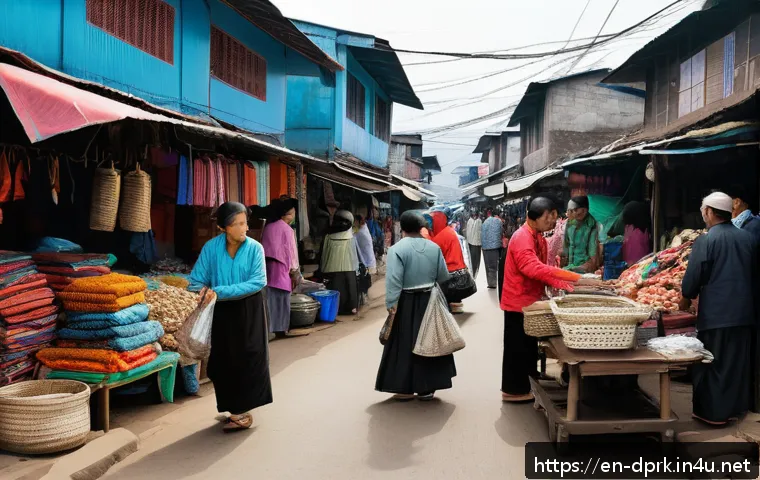
Understanding North Korea’s key imports and exports offers a rare glimpse into how it navigates complex international pressures. Join me as we unravel the hidden layers of its trade secrets, revealing surprising insights that go beyond headlines.
Whether you’re a global affairs enthusiast or just curious about one of the most closed-off countries, this deep dive promises to enlighten and engage.
Let’s explore together what truly drives North Korea’s trade dynamics today.
Unveiling North Korea’s Trade Web: Key Commodities and Their Roles
Essential Exports That Keep the Economy Afloat
North Korea’s export profile is surprisingly specialized, reflecting its natural resources and industrial strengths despite international sanctions. Minerals like coal and iron ore have traditionally dominated the export scene, serving as vital revenue sources.
While these raw materials are essential, the country also relies on niche products such as textiles and seafood, which are less scrutinized but still contribute significantly to foreign currency inflows.
What’s fascinating is how these exports reveal the country’s attempts to balance between maintaining economic lifelines and navigating global restrictions.
From what I’ve gathered, the persistent export of minerals despite sanctions shows a calculated risk North Korea takes, banking on buyers willing to engage discreetly.
Moreover, the textile sector, often overlooked, caters to markets in China and Southeast Asia, providing employment and a modest boost to the economy.
Imports: The Lifeblood of Industry and Daily Life
On the flip side, North Korea’s imports paint a vivid picture of what the country needs to sustain its industries and population. Heavy machinery, petroleum products, and foodstuffs top the list, highlighting both the industrial ambitions and the chronic food supply challenges.
Machinery imports, primarily from China and Russia, are crucial for maintaining factories and infrastructure, while petroleum fuels everything from transportation to electricity generation.
Notably, food imports, although limited, play a critical role during periods of scarcity and poor harvests. Based on reports and trade patterns, these imports are often funneled through complex networks, making it challenging to track volumes accurately.
Still, the reliance on China as the primary trade partner is unmistakable, underscoring geopolitical dependencies.
Trade Patterns in Flux: Navigating Sanctions and Partnerships
What makes North Korea’s trade dynamics intriguing is the constant flux driven by sanctions and emerging alliances. The country has shown remarkable adaptability, shifting routes and partners to evade restrictions.
For example, unofficial trade through border markets and smuggling routes has surged, illustrating a parallel economy that complements official trade channels.
Additionally, there’s a growing emphasis on bilateral agreements with countries willing to engage economically despite diplomatic pressures. This dance of compliance and circumvention reflects a nuanced strategy that keeps the economy limping along rather than collapsing outright.
From a practical standpoint, this means that trade statistics often underrepresent actual economic activity, and understanding these informal networks is key to grasping the full picture.
| Category | Main Commodities | Primary Trade Partners | Economic Impact |
|---|---|---|---|
| Exports | Coal, Iron Ore, Textiles, Seafood | China, Southeast Asia | Major foreign currency source, supports industrial sectors |
| Imports | Machinery, Petroleum, Foodstuffs | China, Russia | Critical for industry, energy, and food security |
| Trade Routes | Official border crossings, smuggling routes | China, Russia, informal networks | Maintains trade flow despite sanctions |
The Mineral Backbone: How Natural Resources Shape Trade
Coal and Iron Ore: The Economic Staples
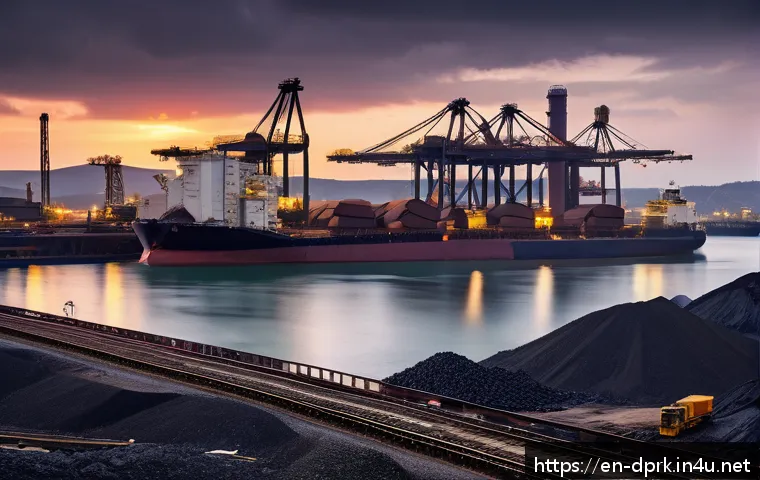
Coal and iron ore exports have long been the backbone of North Korea’s economy. These minerals are relatively abundant and in high demand, especially by neighboring industrial giants.
The coal extracted fuels domestic power plants and serves as an export commodity, while iron ore feeds into steel production chains. Despite global sanctions targeting these exports, evidence suggests that North Korea continues to find buyers willing to accept shipments, sometimes through deceptive means like ship-to-ship transfers.
Personally, I find this persistent export activity a testament to the country’s resourcefulness and the limitations of sanctions enforcement. It’s a clear example of how natural resource wealth can provide leverage even for isolated economies.
Emerging Mineral Markets and Sanctions Evasion
Beyond the traditional minerals, North Korea has been tapping into less conspicuous resources like rare earth elements and precious metals. These materials are increasingly valuable in global high-tech industries, and North Korea’s deposits present a tempting opportunity.
However, these ventures carry higher risks and require more sophisticated extraction and export mechanisms. The interplay between mining efforts and sanctions evasion tactics—such as falsifying cargo manifests or rerouting shipments through third countries—adds layers of complexity.
Observing these moves, it’s clear that the regime is willing to invest in risky but potentially lucrative mining projects to diversify its economic base.
Textiles and Light Industry: The Quiet Exporters
Clothing and Fabrics: A Steady Revenue Stream
While minerals grab headlines, textiles quietly underpin a significant portion of North Korea’s export earnings. Factories producing garments and fabrics operate mainly for foreign markets, often under subcontracting arrangements.
These operations are labor-intensive, providing jobs that are crucial for local communities. The products, ranging from simple clothing items to more specialized textiles, are generally exported to China and some Southeast Asian countries.
From conversations with experts, it’s evident that this sector, though not as profitable as mineral exports, offers a degree of stability amid economic uncertainty.
It’s a sector that benefits from relatively low production costs, enabling competitiveness despite international restrictions.
Seafood and Agricultural Products: Niche but Valuable
North Korea’s seafood exports, including squid and shellfish, cater to specific markets, particularly in East Asia. These products are prized for their quality and are often exported via China, which acts as a gateway to broader markets.
Agricultural exports, such as ginseng and mushrooms, also contribute but on a smaller scale. These niche products may not generate massive revenues but play a strategic role in diversifying the export portfolio.
Interestingly, this diversity helps the country hedge against sanctions impacts on larger sectors. From what I’ve observed, these sectors often receive less international attention but are vital for sustaining trade activity at multiple levels.
Dependence on China: The Lifeline and Its Complexities
China as the Primary Trade Partner
China’s role in North Korea’s trade ecosystem cannot be overstated. It is by far the largest trading partner, accounting for the majority of both imports and exports.
This relationship is driven by geography, political considerations, and mutual economic interests. China supplies essential goods such as fuel, machinery, and food while absorbing a significant share of North Korean mineral and textile exports.
The closeness of this relationship means that shifts in Chinese policy directly impact North Korea’s trade flows and economic stability. From a practical viewpoint, this dependence creates vulnerabilities but also opportunities for negotiation and influence.
Trade Flows Through Border Markets and Informal Channels
Beyond official trade, border markets between China and North Korea buzz with informal economic activity. These markets facilitate the exchange of goods ranging from everyday consumer products to industrial supplies.
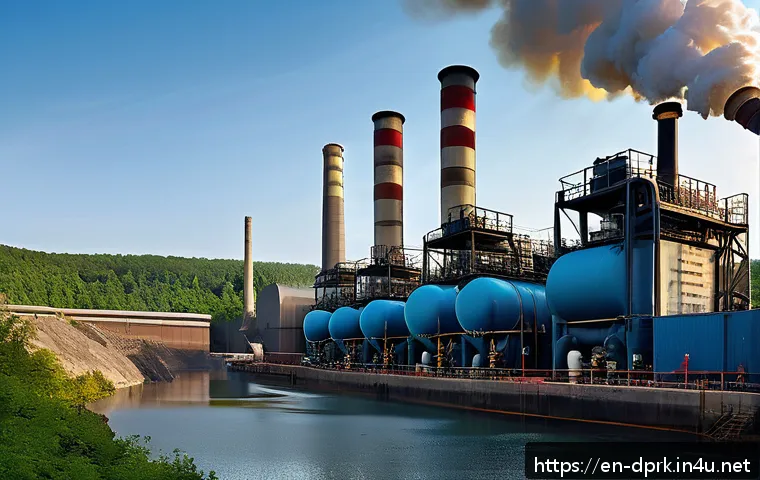
Smuggling and unofficial trade help circumvent sanctions and supply shortages. This informal economy is a lifeline for many North Koreans, offering access to goods otherwise unavailable.
It also represents a gray area where economic survival meets legal ambiguity. Having looked into these dynamics, it’s clear that these cross-border interactions form the fabric of North Korea’s real-world trade reality, often overshadowing official statistics.
Energy Imports: Powering a Nation Under Pressure
Petroleum Products: Essential but Scarce
Energy imports, particularly petroleum, are critical for North Korea’s functioning but remain a persistent challenge due to sanctions and limited supply lines.
Petroleum fuels transportation, industry, and electricity generation, making it indispensable. However, restrictions on shipments and payment mechanisms have led to chronic shortages, impacting everyday life and industrial output.
The country often relies on covert shipments and transshipments through intermediaries to meet its needs. This patchwork approach to energy procurement highlights the delicate balancing act North Korea performs to keep its economy running under duress.
Alternative Energy Sources and Domestic Production
In response to energy constraints, North Korea has invested in alternative sources such as hydropower and coal-fired plants. While these efforts help reduce dependence on imports, they face limitations in scale and reliability.
Hydropower, for instance, is seasonal and vulnerable to droughts, while coal plants are hampered by fuel quality and environmental concerns. Additionally, there are reports of small-scale renewable projects and efforts to increase energy efficiency.
Based on what I’ve seen, these initiatives reflect a pragmatic recognition of energy vulnerabilities and a push for greater self-reliance despite technological and resource constraints.
Food Imports and Agricultural Challenges: Sustaining a Nation
Food Imports as a Buffer Against Shortages
Food security remains a critical issue for North Korea, with imports playing a vital role in mitigating chronic shortages. Staple items like rice, corn, and cooking oil are imported primarily from China, helping to fill gaps caused by poor harvests, natural disasters, and systemic agricultural inefficiencies.
These imports are often tightly controlled and prioritized for urban centers and the military. From accounts of defectors and aid organizations, it’s evident that food imports prevent deeper humanitarian crises but do not eliminate widespread food insecurity.
The reliance on imports highlights ongoing vulnerabilities in domestic food production.
Agricultural Production and Export Potential
Despite its challenges, North Korea continues to pursue agricultural self-sufficiency, employing traditional and experimental farming methods. Efforts include crop diversification, increased use of greenhouses, and limited mechanization.
However, the sector is constrained by outdated infrastructure, limited access to fertilizers, and climate challenges. Interestingly, some agricultural products like ginseng and mushrooms have export value, contributing to the trade balance.
In my view, while the agricultural sector remains fragile, it is a cornerstone for both domestic stability and incremental economic engagement with external markets.
Adapting to a Shifting Global Landscape: The Future of North Korea’s Trade
Sanctions and Their Evolving Impact
Sanctions have undeniably reshaped North Korea’s trade landscape, forcing the country to innovate and adapt continually. While sanctions restrict access to many goods and markets, North Korea’s use of covert channels, alternative partnerships, and self-reliance strategies has mitigated some impacts.
The enforcement intensity and international cooperation levels fluctuate, creating windows of opportunity and constraint. From following these developments, it’s clear that sanctions serve as a blunt tool, effective in some respects but often circumvented in others, leading to a complex cat-and-mouse dynamic.
Prospects for Economic Opening and Engagement
Looking ahead, the trajectory of North Korea’s trade depends heavily on geopolitical developments and internal policy shifts. There are indications that the country may seek broader economic engagement if conditions permit, leveraging its natural resources and labor force.
However, political considerations and security concerns continue to limit openness. For observers like me, the evolving trade patterns offer a barometer for the regime’s priorities and flexibility.
Whether through incremental reforms or strategic partnerships, North Korea’s trade will remain a fascinating and critical lens into its economic and political future.
Conclusion
North Korea’s trade ecosystem is a complex web shaped by natural resources, geopolitical ties, and adaptive strategies amid sanctions. The country’s reliance on key exports and imports reveals both vulnerabilities and resilience. Understanding these dynamics offers valuable insight into how North Korea sustains its economy under pressure and navigates a shifting global landscape.
Useful Information to Know
1. North Korea’s main exports include coal, iron ore, textiles, and seafood, which are vital for earning foreign currency.
2. The country heavily depends on imports like machinery, petroleum, and foodstuffs to support its industries and population.
3. China plays a central role as North Korea’s largest trade partner, controlling much of the legal and informal trade flow.
4. Sanctions have forced North Korea to develop alternative trade routes and covert operations to maintain economic activity.
5. Despite challenges, sectors like textiles and niche agricultural products provide some economic stability and diversification.
Key Takeaways
North Korea’s trade network is characterized by a strategic balancing act between sanctions compliance and evasion, with natural resources at its core. The country’s economic survival heavily depends on its relationship with China and the ability to maneuver through informal markets. Energy and food imports remain critical vulnerabilities, while emerging mineral markets and light industry offer avenues for future growth. This trade framework reflects North Korea’s ongoing efforts to sustain its economy amid global isolation and geopolitical pressures.
Frequently Asked Questions (FAQ) 📖
Q: uestions about North Korea’s Trade DynamicsQ1: What are the main goods that North Korea imports and exports despite international sanctions?
A: North Korea’s economy heavily relies on a few key exports such as coal, minerals, textiles, and seafood. These products often find their way to neighboring countries like China and Russia, which remain its primary trading partners.
On the import side, North Korea brings in essential goods like petroleum products, machinery, foodstuffs, and raw materials necessary to sustain its industries and military.
Despite strict sanctions, some trade persists through indirect channels, often under tight government control.
Q: How have shifting international sanctions affected North Korea’s trade strategies?
A: Sanctions have forced North Korea to become increasingly resourceful and secretive in its trading activities. The country has adapted by deepening economic ties with a limited number of allies, using complex networks to mask transactions, and turning to alternative goods and services that are less scrutinized.
These shifts mean North Korea prioritizes survival and regime stability over profit, often engaging in barter deals or using cryptocurrencies to bypass conventional financial systems.
Q: Why is China so crucial to North Korea’s trade, and what does this mean for global geopolitics?
A: China is North Korea’s largest trading partner, accounting for the vast majority of its legitimate cross-border trade. This relationship is vital because China provides essential supplies like food, fuel, and industrial goods, while also purchasing North Korean exports.
For global geopolitics, this dynamic creates a delicate balance—China’s cooperation is key to enforcing sanctions, yet it also seeks to maintain regional stability by supporting North Korea economically.
Understanding this interplay helps explain why diplomatic efforts often hinge on Beijing’s position.