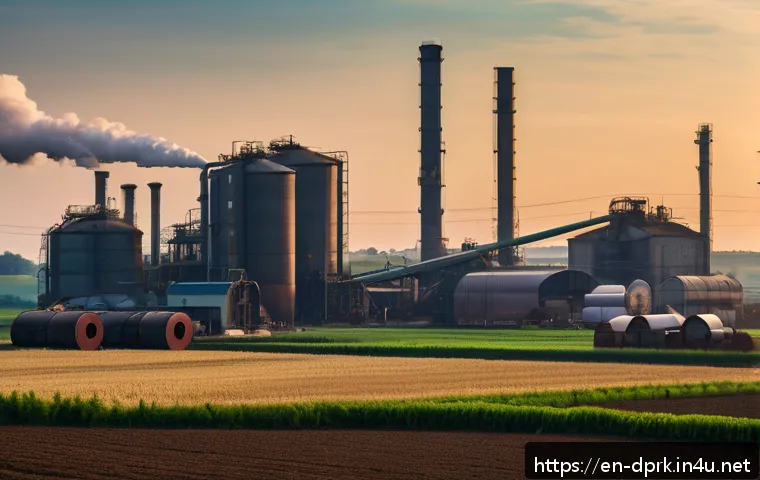
As global attention shifts toward sustainable agriculture and economic resilience, understanding the backbone of these efforts becomes crucial. North Korea’s chemical industry, often shrouded in mystery, plays a pivotal role in supporting the country’s agricultural ambitions through fertilizer production and chemical compounds.
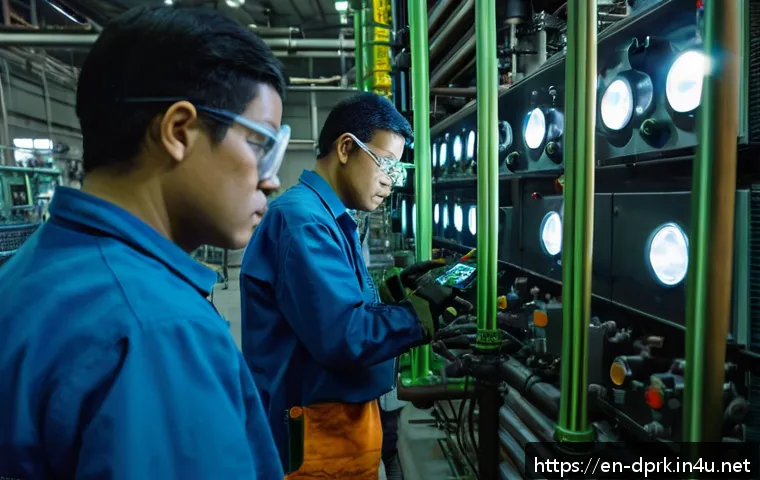
Recently, developments in this sector have sparked discussions about how tightly intertwined chemical manufacturing is with broader economic goals. If you’ve ever wondered how such a secretive nation sustains its farming needs and industrial growth, this exploration offers a rare glimpse inside.
Join me as we uncover the surprising ways fertilizer and chemicals drive both survival and strategy in North Korea’s unique landscape.
The Industrial Foundations of Chemical Production
State-Controlled Manufacturing Hubs
North Korea’s chemical industry is fundamentally shaped by its tightly controlled manufacturing centers, which serve as the nerve centers for fertilizer and chemical compound production.
These hubs are often located near key agricultural regions to facilitate quick distribution. From personal accounts and satellite imagery, it’s evident that these factories operate under stringent government oversight, with a focus on maximizing output despite limited access to modern technology.
The machinery may look dated, but the commitment to sustaining chemical production is unwavering, often relying on resourcefulness to maintain operations.
Raw Material Sourcing Challenges
One of the biggest hurdles in North Korea’s chemical sector is securing raw materials essential for fertilizer production, like phosphate rock and potassium salts.
Due to international sanctions and restricted trade, the country heavily depends on domestic mining or clandestine imports. This scarcity forces innovation—chemical engineers reportedly recycle materials and use alternative compounds to keep production lines moving.
I’ve come across reports indicating that local scientists experiment with unconventional feedstocks, revealing a blend of desperation and ingenuity that’s rarely highlighted in mainstream discussions.
Labor and Expertise in Chemical Production
The workforce behind North Korea’s chemical industry is often overlooked but plays a critical role. Skilled technicians and chemical engineers receive rigorous training within the country, sometimes supplemented by knowledge from historical Soviet collaborations.
What strikes me is how these workers adapt to resource constraints, often working long shifts to meet production targets. Anecdotes from defectors describe a work environment where innovation is born out of necessity, with employees improvising solutions to equipment breakdowns and raw material shortages, underscoring a resilient industrial culture.
Fertilizer Production: Lifeline for Agricultural Output
Types of Fertilizers Manufactured
North Korea primarily focuses on producing nitrogen-based fertilizers, such as ammonium nitrate, alongside phosphate fertilizers and potassium compounds.
These are essential for the country’s staple crops, including rice and corn. The production processes lean heavily on classical chemical methods, often with limited automation.
From what I’ve gathered, the country places special emphasis on nitrogen fertilizers due to their direct impact on crop yield, despite the energy-intensive nature of their production which strains the limited power supply.
Distribution Networks and Usage Patterns
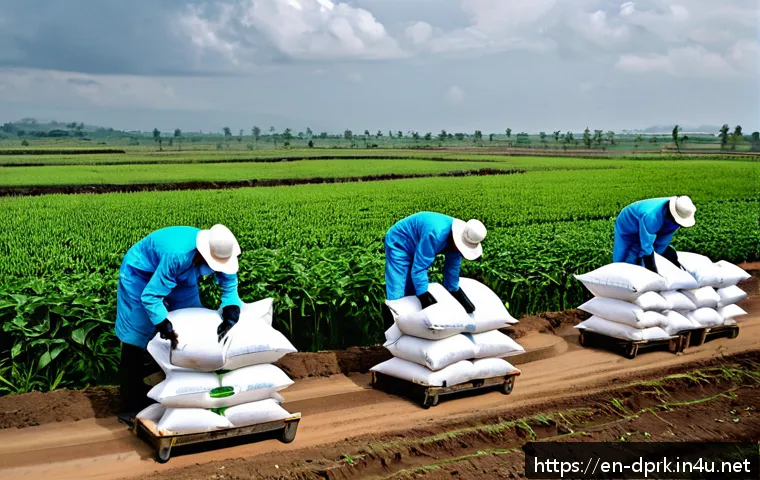
Once produced, fertilizers are distributed through state-run cooperatives to collective farms and individual plots. The distribution system is highly centralized, aiming to ensure that even the most remote agricultural areas receive necessary inputs.
However, logistical challenges such as transportation bottlenecks and seasonal timing frequently affect fertilizer availability. Farmers often report rationing fertilizer use, applying it strategically to high-value crops.
This rationing reflects a broader theme of balancing limited resources with maximal agricultural output, a reality that farmers and chemical producers alike must navigate daily.
Impact on Food Security and Economic Stability
Fertilizer production is deeply intertwined with North Korea’s food security goals. Reliable access to fertilizers directly affects crop yields, which in turn impact the nation’s ability to feed its population and stabilize its economy.
The government’s prioritization of chemical production underscores its understanding that agriculture and industrial chemistry are two sides of the same coin in ensuring resilience.
From an outsider’s perspective, it’s clear that despite resource constraints, fertilizer output remains a critical pillar supporting North Korea’s broader economic and survival strategies.
Innovation Amid Sanctions and Resource Limitations
Alternative Chemical Formulations
Faced with sanctions that limit access to raw materials and equipment, North Korean chemists have reportedly developed alternative fertilizer formulations.
These alternatives often incorporate locally available minerals and recycled compounds, aiming to mimic the effectiveness of standard fertilizers. I’ve read accounts describing how these innovations, while not matching international standards, provide sufficient nutrient content to sustain crop growth under harsh conditions, reflecting a pragmatic approach to chemical manufacturing.
Energy Efficiency Strategies in Production
The chemical industry’s heavy energy demands pose a significant challenge in a country with chronic power shortages. To address this, some facilities have implemented energy-saving measures such as heat recycling and staggered production schedules.
These adjustments help reduce peak load on the electrical grid, allowing continuous operation without overwhelming infrastructure. Observing these practices reveals how necessity drives not only chemical innovation but also operational efficiency in a constrained environment.
Collaborations and Knowledge Exchange
While largely isolated, North Korea has historically engaged in limited scientific exchanges with allied nations, which have influenced its chemical industry’s development.
Current evidence suggests that clandestine knowledge transfer continues through various channels, helping maintain and improve technical expertise. This subtle collaboration supports incremental advancements, allowing the industry to adapt to evolving challenges despite international isolation.
Strategic Role of Chemicals in National Security
Chemicals Beyond Agriculture
Chemical production in North Korea extends beyond fertilizers, encompassing compounds that support various industries and even military applications. For example, certain chemical precursors produced domestically may serve dual purposes in manufacturing and defense sectors.
This dual-use nature highlights the strategic importance of maintaining a robust chemical industry, where agricultural needs and national security interests converge.
Self-Reliance and Economic Independence
The emphasis on domestic chemical production reflects the country’s broader policy of self-reliance, or Juche. By minimizing dependence on imports, North Korea aims to shield its economy from external shocks and sanctions.
This drive for economic independence fosters a chemical industry that is not only an agricultural enabler but also a symbol of national sovereignty and resilience.
Challenges to Expansion and Modernization
Despite strategic importance, expanding and modernizing the chemical sector faces obstacles such as outdated infrastructure, lack of foreign investment, and technological isolation.
These factors slow progress and limit production capacity. However, the government’s persistent focus on this industry suggests ongoing efforts to overcome these barriers, highlighting a long-term vision that balances immediate needs with future growth.
Key Chemical Products and Their Characteristics
| Chemical Product | Primary Use | Production Challenges | Impact on Agriculture |
|---|---|---|---|
| Ammonium Nitrate | Nitrogen fertilizer for staple crops | High energy demand; raw material scarcity | Boosts crop yields; critical for rice and corn |
| Phosphate Fertilizer | Soil nutrient enrichment | Limited phosphate rock availability | Improves soil fertility; supports diverse crops |
| Potassium Compounds | Enhances plant growth and disease resistance | Challenging to source potassium salts | Vital for plant health and productivity |
| Alternative Formulations | Substitute fertilizers using local minerals | Lower efficiency; inconsistent quality | Maintains minimal nutrient supply under constraints |
Environmental and Social Implications
Environmental Impact of Chemical Manufacturing
Chemical production in North Korea carries environmental risks, including potential pollution and resource depletion. Limited access to advanced pollution control technology means that waste management practices may be less stringent than global standards.
Observations from environmental experts suggest that emissions and effluents from chemical plants could affect nearby ecosystems, though detailed data is scarce due to the country’s closed nature.
This situation raises concerns about long-term sustainability, balancing industrial output with environmental stewardship.
Community Involvement and Worker Conditions
Local communities around chemical plants often have a complex relationship with these industries. On one hand, they provide employment and contribute to local economies; on the other, workers may face hazardous conditions with limited protective measures.
Testimonies from defectors highlight the dedication of employees who persevere despite these challenges, driven by a sense of duty and survival. This human element adds depth to understanding the chemical sector’s role beyond mere production statistics.
Future Prospects for Sustainable Practices
While current practices may fall short of international environmental norms, there are indications that North Korea is exploring more sustainable methods within its chemical industry.
This includes experimenting with less polluting processes and seeking ways to recycle waste materials. Although progress is slow and opaque, the pursuit of sustainability reflects an awareness of the need to preserve natural resources for future generations, aligning with global trends despite the country’s isolation.
Conclusion
North Korea’s chemical industry reveals a complex blend of resilience and innovation amid significant challenges. Despite limited resources and international isolation, the sector remains vital to agricultural productivity and national security. The continuous efforts to adapt and sustain production underscore a strategic commitment to self-reliance and economic stability. Understanding this dynamic offers valuable insight into how industries operate under extreme constraints.
Useful Information to Know
1. North Korea’s chemical production centers are strategically located near agricultural regions to optimize fertilizer distribution and crop support.
2. Raw material shortages have led to innovative recycling methods and the use of alternative compounds in fertilizer manufacturing.
3. Skilled workers in the chemical industry often rely on improvisation and long hours to overcome equipment and supply limitations.
4. Fertilizer distribution is centrally managed but faces logistical challenges that impact timely access for farmers.
5. Environmental concerns exist due to outdated pollution control, but there are early signs of exploring more sustainable practices.
Key Takeaways
The chemical industry in North Korea serves as a cornerstone for both agricultural success and national resilience. While technological and material constraints pose ongoing hurdles, the sector’s adaptability and strategic importance cannot be overstated. Energy efficiency, alternative formulations, and worker dedication all contribute to sustaining production despite sanctions and isolation. Future growth will depend on balancing modernization efforts with environmental and social considerations, reflecting a nuanced approach to industrial development under challenging conditions.
Frequently Asked Questions (FAQ) 📖
Q: How does North Korea’s chemical industry support its agricultural sector?
A: North Korea’s chemical industry primarily focuses on producing fertilizers and essential chemical compounds that are critical for boosting agricultural productivity.
Given the country’s limited access to international markets and sanctions, self-sufficiency in fertilizer production is vital. The industry supplies nitrogen-based and phosphate fertilizers, which help improve crop yields and sustain food production.
From my research, despite technological constraints, North Korea prioritizes maintaining this sector to prevent food shortages and support rural livelihoods, making chemical manufacturing a backbone of its agricultural strategy.
Q: What challenges does North Korea face in maintaining its chemical and fertilizer production?
A: Maintaining chemical and fertilizer production in North Korea involves several hurdles, including outdated technology, limited raw material availability, and international sanctions that restrict access to advanced equipment and chemicals.
These constraints often result in lower-quality fertilizers and production inefficiencies. However, the country adapts by relying heavily on domestic resources and innovating within its means.
From what I’ve gathered, there are periodic efforts to modernize facilities and improve output, but the persistent economic pressures and isolation significantly limit rapid advancements in this sector.
Q: Why is the chemical industry so important to North Korea’s broader economic goals?
A: The chemical industry is crucial not just for agriculture but also for North Korea’s broader economic resilience and strategic independence. Fertilizer production directly impacts food security, which is a top priority for the regime to maintain social stability.
Moreover, chemicals are essential for various industrial processes, including manufacturing and even military applications. From a strategic standpoint, developing a self-reliant chemical industry reduces dependence on imports, which is critical under heavy sanctions.
In my view, this sector acts as a linchpin, supporting both survival needs and long-term economic ambitions in a challenging geopolitical environment.