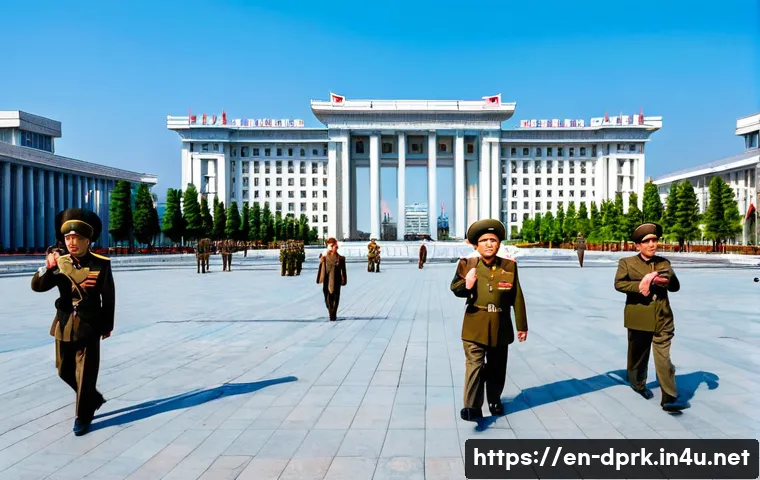
Traveling to North Korea is unlike visiting any other destination. For many foreigners, it sparks a mix of curiosity, apprehension, and fascination due to the country’s unique political climate and strict regulations.
Visitors often share stories of highly controlled tours, unexpected cultural encounters, and a glimpse into a world that feels frozen in time. Despite the challenges, some travelers find the experience eye-opening, offering perspectives that mainstream media rarely capture.
If you’ve ever wondered what it’s really like to step inside this secretive nation, you’re in the right place. Let’s dive deeper and uncover the truths behind foreign perceptions and firsthand experiences!
Unraveling the Reality of Guided Tours
Strict Itineraries and Limited Freedom
Traveling through North Korea isn’t your typical DIY trip. From my experience, every step outside the hotel or designated spots is tightly scheduled and monitored.
Tourists are almost always accompanied by government-appointed guides who control the pace and route, leaving very little room for spontaneous exploration.
This level of control can feel stifling at first, but it also offers a unique lens into how the country presents itself to outsiders. The guides are well-trained to ensure visitors see only what the regime wants them to see, which often means carefully curated monuments, museums, and performances.
Unexpected Moments Amid Control
Despite the strict supervision, I found moments that caught me off guard—small interactions with locals or glimpses of everyday life that didn’t fit the polished narrative.
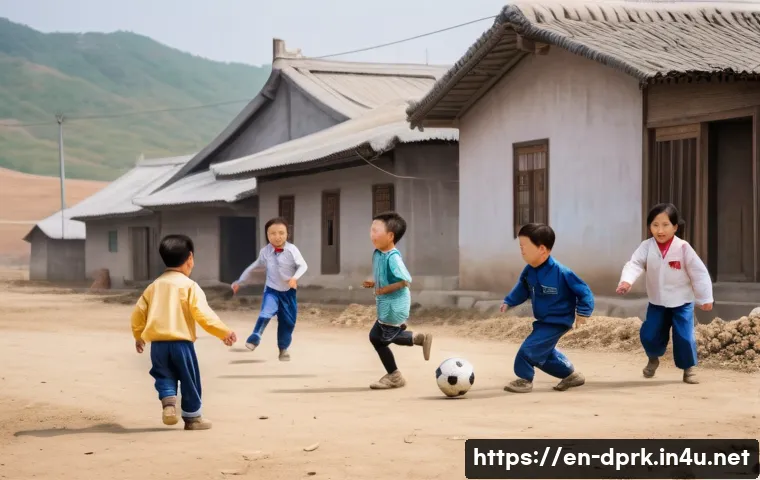
These rare instances, though brief and subtle, gave me a hint of the human stories behind the official propaganda. For example, while visiting a rural area, I saw children playing soccer in a dusty field and workers chatting during a break.
Such scenes felt surprisingly normal and reminded me that beyond the political tension, life carries on in its own rhythm.
Insights from Guide-Tourist Dynamics
The guides themselves are fascinating to observe. They’re friendly but cautious, balancing hospitality with the need to enforce rules. Conversations with them, though limited and carefully steered, revealed an unexpected warmth and a desire to engage within the boundaries set by their government.
From my chats, it was clear they understand the international curiosity about North Korea and often try to offer a narrative that highlights the country’s achievements and culture, even if it feels rehearsed.
Daily Life Observations Through a Visitor’s Lens
Public Spaces and Social Behavior
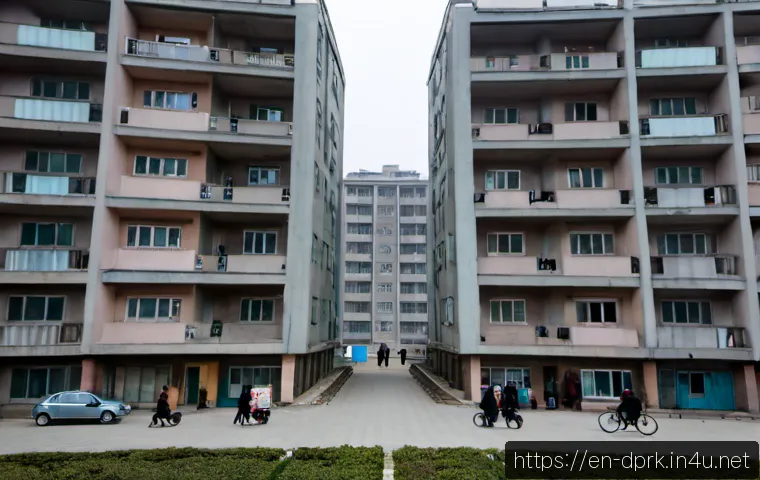
Walking through Pyongyang’s streets gave me a snapshot of a society with strict social order. People move with purpose, and there’s a noticeable absence of the hustle and bustle typical of other cities.
I noticed clean streets, uniformed workers, and groups of people participating in organized activities like morning exercises or choreographed dances.
The sense of community felt strong, but it also seemed choreographed, as if everyone was playing a role in a carefully directed performance.
Technology and Communication Constraints
One striking aspect was the limited access to technology and the internet for ordinary citizens. While foreigners could use international phones and Wi-Fi, locals appeared disconnected from the global digital world.
This gap creates a stark contrast between visitors’ experiences and the day-to-day realities of residents, who rely heavily on state media and have minimal exposure to outside information.
It’s a reminder of how isolated the country remains despite the slow trickle of modernization.
Economic Activities and Market Scenes
Markets offered a glimpse into North Korea’s unique economic situation. Though controlled, these markets buzzed quietly with activity, selling goods ranging from fresh produce to handmade crafts.
I noticed a blend of traditional barter and currency exchange, reflecting a hybrid economy where informal trade plays a vital role. For travelers, these markets provide an opportunity to observe genuine local commerce, but interactions must be cautious and respectful of local customs and regulations.
Understanding Cultural Performances and Propaganda
Grandiose Displays and Their Impact
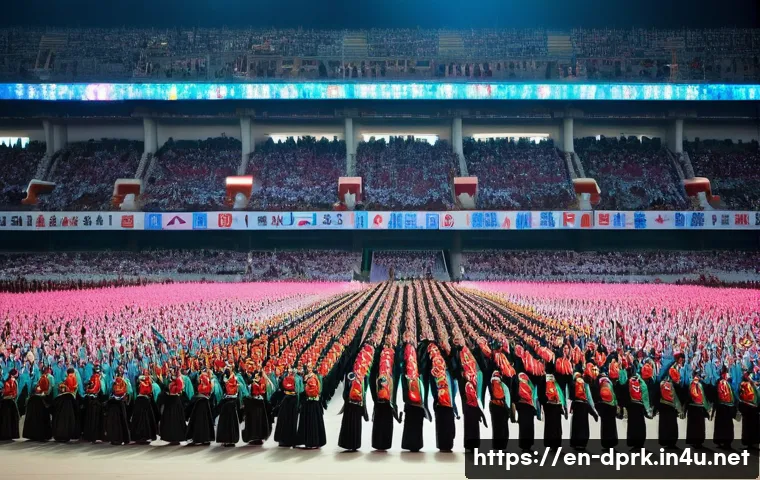
Cultural performances in North Korea are unlike anything I’d seen elsewhere. Lavish mass games, carefully choreographed dances, and patriotic songs dominate the scene, delivering powerful messages of unity and devotion to the regime.
Watching these performances felt both mesmerizing and overwhelming, as the scale and precision are unmatched. However, it’s impossible to ignore the propagandistic intent behind the spectacle, designed to inspire loyalty and reinforce state ideology.
Interpreting Art and Historical Narratives
Art and museums in North Korea focus heavily on glorifying leadership and revolutionary history. Statues, paintings, and exhibits portray heroic stories that frame the country’s past and present through a particular lens.
Experiencing this firsthand challenged me to think critically about how history can be shaped by those in power and the role of art in political messaging.
It also underscored the importance of seeking multiple perspectives when trying to understand a complex society.
Visitor Reactions and Emotional Responses
Many travelers report mixed emotions after attending performances or visiting museums. I felt a blend of awe at the scale and effort involved, confusion over the intense messaging, and empathy for those living under such conditions.
The experience can be emotionally taxing, especially as it contrasts sharply with the freedoms many of us take for granted. These cultural events serve as a window into the country’s soul, but they also remind visitors of the broader human stories behind the spectacle.
Interactions with Locals: Boundaries and Breakthroughs
Limited Contact and Controlled Encounters
Meeting locals outside official settings is extremely rare and often discouraged. My interactions were mostly with guides and a few carefully selected individuals, which made it difficult to get an unfiltered sense of everyday life.
These encounters were polite and scripted, leaving little room for genuine conversation. Still, even these brief moments provided insights into the warmth and resilience of people living in such a tightly regulated society.
Reading Between the Lines
Subtle cues—like a fleeting smile, a hesitant comment, or a shared joke—offered glimpses into the personalities behind the official façade. I learned to pay attention to these small signals, which often spoke volumes about hopes, frustrations, and the complexities of life in North Korea.
It was a delicate dance to respect boundaries while trying to understand the human side of a nation often portrayed in black-and-white terms.
Ethical Considerations for Travelers
Traveling responsibly here means being aware of how your presence affects locals. Some visitors worry about causing unintended harm by interacting with citizens or breaking local rules.
From my perspective, the best approach is to follow guidelines strictly, avoid political discussions, and focus on observation and learning. Respecting cultural norms and understanding the delicate nature of these encounters is crucial for a meaningful and ethical visit.
Practical Tips for Navigating the Experience
What to Pack and Prepare
Given the controlled environment, packing light but thoughtful is essential. Comfortable walking shoes, neutral clothing, and a small notebook for jotting down impressions proved invaluable during my trip.
Electronics like cameras are allowed but should be used cautiously—certain sites are off-limits for photography, and guides often remind you of this. Also, bring some local currency or small gifts, which can help facilitate polite exchanges with guides and staff.
Health and Safety Considerations
Medical facilities are limited, so it’s wise to bring any necessary medications and basic first aid supplies. Food and water safety are generally good in major cities, but sticking to bottled water and freshly cooked meals is advisable.
Being prepared for long days and limited internet connectivity helps reduce stress. The overall environment felt safe, but vigilance and respect for local customs always enhanced my sense of security.
Communication Strategies
Staying connected with the outside world can be challenging. International phone services work, but Wi-Fi access is limited and expensive. I found it helpful to download offline maps and translation apps beforehand.
Learning a few basic Korean phrases also went a long way in building rapport with guides and showing respect for the culture. Patience and flexibility are key, as communication barriers can sometimes lead to misunderstandings or delays.
Comparing Travel Realities: North Korea vs. Other Destinations
Freedom of Movement and Exploration
Unlike typical tourist destinations where wandering freely is the norm, North Korea’s travel experience is tightly regimented. This contrast can be jarring, especially for those used to spontaneous adventures.
The lack of independent movement limits personal discovery but also creates a focused, immersive environment where every visit feels intentional and purposeful.
It’s a trade-off that travelers must mentally prepare for before embarking on the journey.
Costs and Value for Money
Traveling to North Korea is often more expensive than it seems at first glance. Between mandatory guide fees, group tour prices, and restricted options for dining and accommodation, the overall cost can add up quickly.
However, for those who value rare cultural insights and a once-in-a-lifetime experience, the price can feel justified. Below is a quick comparison of typical costs in North Korea versus other common destinations:
| Category | North Korea | Typical Tourist Destination |
|---|---|---|
| Daily Tour Cost | $200 – $300 (guided group tours) | $50 – $150 (self-guided or group tours) |
| Accommodation | $50 – $100 (basic hotels) | $30 – $200 (varies widely) |
| Meals | $10 – $20 (set menus) | $5 – $30 (varies) |
| Internet Access | Very limited, expensive | Widely available, often free |
| Transportation | Included in tours | Public transport or rental options |
Emotional and Psychological Impact
Many travelers report feeling a complex mix of emotions—curiosity, discomfort, awe, and even sadness. The contrast between the polished state image and the glimpses of everyday struggle can be unsettling.
Unlike leisure travel focused on relaxation or entertainment, visiting North Korea often prompts reflection about human rights, governance, and global politics.
For me, this emotional rollercoaster was part of what made the trip unforgettable and deeply educational.
글을 마치며
Traveling to North Korea offers a rare and intense glimpse into a world that few outsiders ever see. While the experience is heavily controlled and sometimes challenging, it also reveals surprising moments of humanity and resilience. For those willing to approach the journey with an open mind and respect for the rules, it can be a deeply thought-provoking adventure. Ultimately, this trip is less about sightseeing and more about understanding a complex society from a unique perspective.
알아두면 쓸모 있는 정보
1. Always follow your guide’s instructions carefully to avoid misunderstandings or unintentional rule violations. Staying within the designated itinerary is crucial for a smooth visit.
2. Pack light, comfortable clothing and shoes suitable for walking, and bring a small notebook to capture impressions since internet access is limited and photography is restricted in many areas.
3. Carry some local currency or small gifts, which can help foster polite exchanges with guides and staff, but avoid any direct transactions with locals to respect local laws.
4. Download offline maps and translation apps before your trip, and learn a few basic Korean phrases to enhance communication and show cultural respect.
5. Prepare mentally for a controlled environment with limited freedom of movement, but embrace the opportunity to observe and reflect on a society that operates very differently from most other places.
중요 사항 정리
Traveling in North Korea requires strict adherence to rules and a willingness to accept a highly structured experience. Freedom of movement is limited, and interactions with locals are carefully managed, so patience and respect are essential. Health and safety preparations, including bringing medications and bottled water, are important due to limited medical facilities. Despite the challenges, the trip offers unique insights into a tightly controlled society, where every moment is an opportunity to understand the complexities beneath the surface. Approaching the journey with sensitivity and an open mind will ensure a meaningful and respectful visit.
Frequently Asked Questions (FAQ) 📖
Q: Is it safe for tourists to visit North Korea?
A: Traveling to North Korea is generally safe in terms of physical security because the government maintains strict control over visitors and their movements.
However, safety here means something different than in most countries—travelers must follow all rules closely, avoid sensitive topics, and stay with official guides at all times.
From my experience and others’ accounts, any deviation from the rules can lead to serious consequences, including detention. So while you’re unlikely to face random crime, the political and legal environment requires you to be extremely cautious and respectful of local laws.
Q: What kind of interactions can tourists expect with local people?
A: Interactions with locals are usually limited and highly supervised. Tourists typically meet carefully selected guides or government-appointed hosts who accompany them throughout the visit.
Spontaneous conversations with ordinary citizens are rare and discouraged. From what I’ve seen and heard, these encounters offer a glimpse into North Korean life but through a very controlled lens.
Some travelers find these moments fascinating and eye-opening, while others feel the experience is staged. It’s important to keep an open mind but also recognize that what you see is just one side of a complex society.
Q: How does visiting North Korea change a traveler’s perspective?
A: Visiting North Korea can be a profound experience that challenges preconceived notions shaped by mainstream media. Many travelers report feeling a mix of awe, confusion, and even empathy after witnessing the country’s unique way of life firsthand.
Personally, I found that being there forced me to question my assumptions and appreciate the complexity behind the headlines. It’s not an easy trip, and it often leaves you with more questions than answers, but it undeniably broadens your understanding of global politics, propaganda, and human resilience.
For those willing to look beyond the surface, it’s an unforgettable journey.