Stepping into the world of healthcare, we often take for granted the accessibility of doctors, fully stocked pharmacies, and modern medical equipment.
It’s a reality many of us rely on daily, without a second thought. But what if I told you that, for millions, this fundamental right to health is a distant dream?
I’ve been diving deep into the grim reality of North Korea’s healthcare system, and frankly, it’s a situation that truly pulls at your heartstrings. Imagine hospitals struggling with constant power outages, where even basic hygiene is a luxury, and essential medicines like antibiotics are almost impossible to find.
We’re talking about a place where, despite official claims of universal free care, people are often forced to pay for services with cigarettes or food, and the only hope for medication lies in unregulated, often dangerous, black markets.
While recent reports suggest a push to build new rural hospitals and even a slight increase in medical imports, the deep-seated issues of chronic shortages, outdated facilities, and a lack of qualified personnel continue to plague the nation.
It’s a complex tapestry of geopolitical pressures and internal challenges, leaving everyday citizens facing unimaginable struggles just to stay healthy.
This isn’t just a distant news story; it’s a profound human crisis that demands our attention. Let’s unpack the shocking truths and persistent challenges of North Korea’s medical system, and explore what’s really happening on the ground.
When Basic Care Becomes a Luxury: The Dire State of Facilities
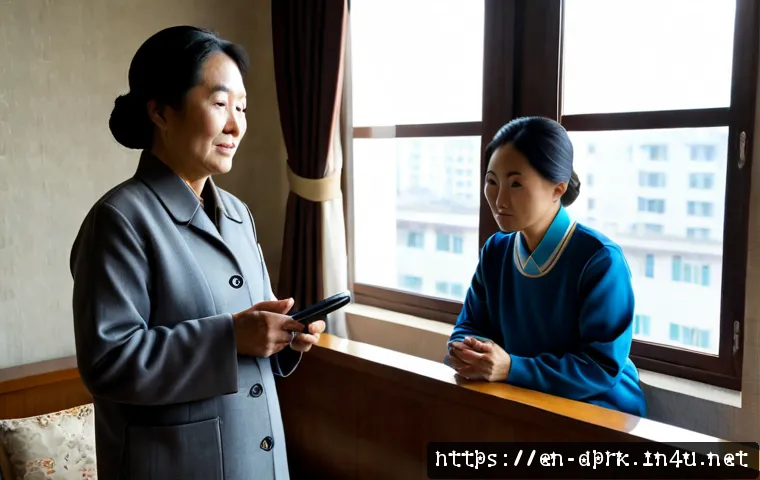
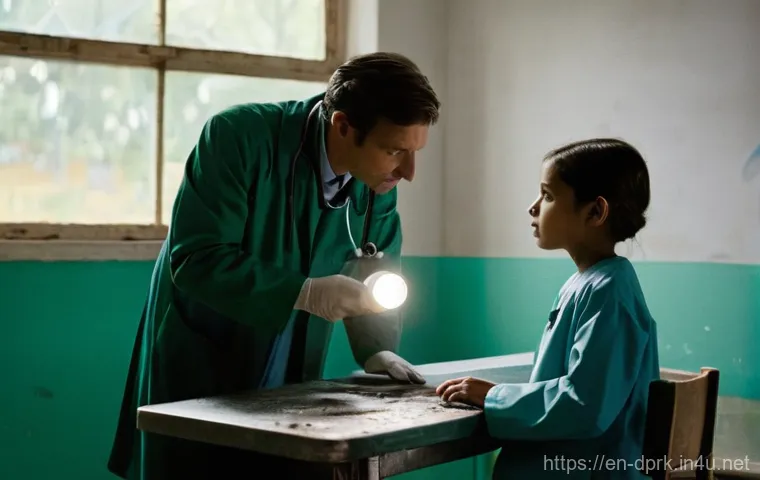
Stepping into a North Korean hospital, or what often passes for one, is like taking a painful journey back in time. Forget the gleaming, sterile environments we’re accustomed to in modern healthcare. Here, the struggle is palpable, etched into every chipped wall and flickering light bulb. I’ve read countless reports and heard testimonies that paint a truly heartbreaking picture: hospitals grappling with chronic power outages, turning even routine examinations into a scramble in dimly lit rooms. Can you imagine a doctor trying to diagnose an illness with only a flashlight? It sounds like something out of a historical novel, not a 21st-century reality. Basic hygiene, which we consider a given for patient safety, often feels like an unattainable luxury. The facilities themselves are frequently outdated, lacking the most fundamental equipment needed for effective diagnosis and treatment. We’re talking about a stark absence of things like MRI machines, even reliable X-ray equipment in many places. It’s not just about advanced technology; it’s about the very foundation of patient care being eroded by neglect and deprivation. The impact on both patients and the dedicated, yet overwhelmed, medical staff must be immense. It makes me reflect on how privileged we are, often without realizing it, to have access to functioning, well-equipped hospitals.
Dilapidated Infrastructure and Equipment Woes
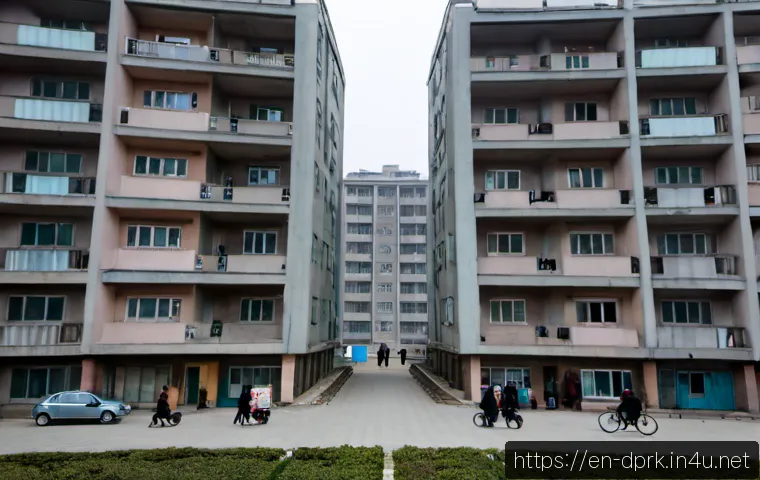
The core issue often boils down to infrastructure. Many hospitals were built decades ago and haven’t seen significant upgrades or even proper maintenance since. Imagine trying to perform surgery in a building where the roof leaks, or where the electrical system is so unreliable that power can cut out at any moment. This isn’t just an inconvenience; it’s a life-threatening situation. Doctors are forced to work with severely limited tools, often improvising or simply being unable to provide the necessary care. My heart truly goes out to them, trying to save lives under such impossible circumstances. The lack of modern diagnostic equipment means that many illnesses go undiagnosed or are identified too late, drastically reducing the chances of successful treatment. It’s a cruel twist of fate for those who fall ill in such an environment.
The Constant Battle for Basic Sanitation
And then there’s the issue of sanitation, which is frankly alarming. Without consistent running water and electricity, maintaining sterile conditions is an uphill, often losing, battle. Proper waste disposal, access to clean bedding, and even basic handwashing facilities become significant challenges. This creates a breeding ground for infections, turning a place meant for healing into a potential source of further illness. It’s a vicious cycle where poor hygiene exacerbates health problems, pushing an already vulnerable population further into crisis. I can only imagine the frustration and despair of both patients and medical professionals caught in this grim reality.
The Bitter Pill: Navigating Medicine Scarcity and the Black Market
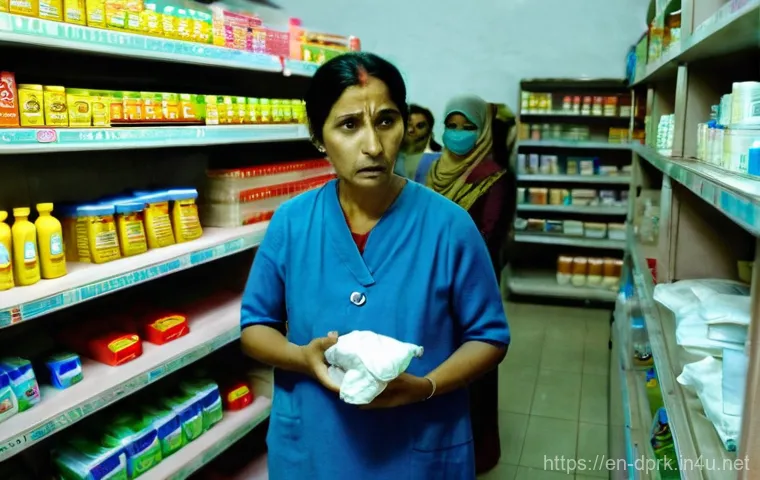
Picture this: you’re terribly ill, perhaps battling a severe infection, and the most basic medication, like antibiotics, is nowhere to be found. This isn’t a hypothetical scenario for millions in North Korea; it’s their daily, terrifying reality. Essential medicines, from painkillers to life-saving antibiotics and chronic disease management drugs, are critically scarce. The official healthcare system, while theoretically “free,” simply doesn’t have the supplies. This scarcity creates a desperate void, pushing people towards the shadows of the black market, where risks are high and guarantees are nonexistent. I’ve always thought of medicine as a fundamental human right, a tool to alleviate suffering, but in this context, it becomes a commodity controlled by a dangerous, unregulated underground. It’s a stark reminder of how privileged we are to walk into a pharmacy and find what we need, often without a second thought.
When Pharmacies are Empty: The Absence of Essential Drugs
I can only imagine the fear that grips you when a loved one is sick, and the doctor tells you there’s nothing in the hospital’s pharmacy. The shelves are bare, not because of a temporary shortage, but as a chronic state of affairs. This isn’t just about specialized treatments; it’s about basic, life-saving drugs that could prevent common illnesses from escalating into fatal conditions. Vaccines are often in short supply, leading to outbreaks of preventable diseases that have been largely eradicated in most developed nations. The lack of cold chain infrastructure means even the limited supplies of medicines can degrade, rendering them ineffective or even harmful. It’s a systemic breakdown that leaves people incredibly vulnerable, truly a heartbreaking situation.
The Perilous Path of the Black Market
With official channels offering little to no relief, people are forced to turn to the notorious black markets. Here, anything goes. Medicines are often smuggled in from neighboring countries, and there’s no way to verify their authenticity, expiry dates, or proper storage. Imagine buying what you hope is an antibiotic, only to find out it’s a counterfeit, a sugar pill, or worse, something that causes more harm. The prices are exorbitant, making healthcare a privilege for the few who can afford it, not a right for all. My heart sinks thinking about families pooling their meager resources, desperate to buy a medicine that might not even work, gambling with their health and their very lives. This dangerous dance with the black market is a testament to the utter desperation people face.
Beyond the Operating Table: Sanity, Sanitation, and the Struggle for Survival
It’s one thing to talk about a lack of medical supplies or outdated equipment; it’s another to consider the broader implications of such a broken system on the everyday lives of people. The struggle for health in North Korea extends far beyond the four walls of a hospital. It permeates every aspect of daily existence, influencing everything from the food people eat to the water they drink, and even the very air they breathe. This constant state of precarity doesn’t just impact physical health; it takes a profound toll on mental well-being too. Imagine living with the constant anxiety that a simple cold could turn into something life-threatening because effective treatment is simply unavailable. It’s a pervasive sense of insecurity that shapes life in a way many of us can hardly comprehend. I often reflect on the simple comforts we take for granted – clean water, reliable food sources, and a safety net when we fall ill. For them, these are monumental challenges.
Waterborne Illnesses and Malnutrition: A Double Threat
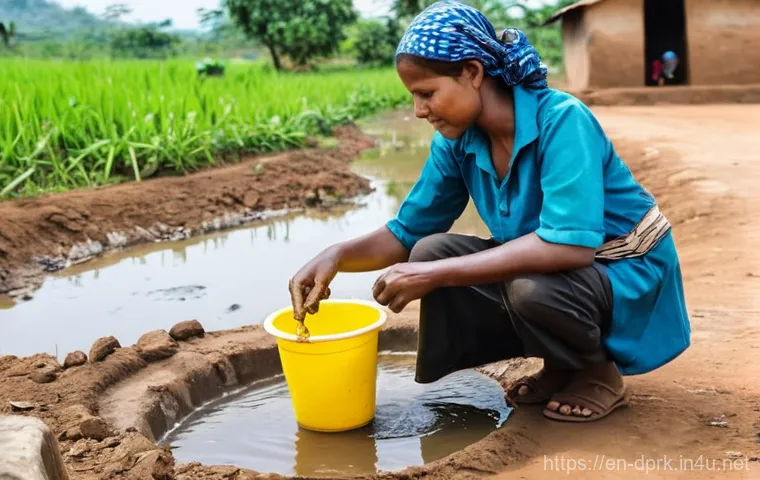
The lack of proper sanitation and clean water infrastructure is a silent killer. Waterborne diseases like cholera and typhoid are not just historical footnotes; they are ongoing threats that constantly loom over communities. When access to safe drinking water is compromised, and waste disposal systems are inadequate, outbreaks are frequent and devastating. Coupled with chronic food shortages and widespread malnutrition, the human body’s ability to fight off even common infections is severely weakened. Children, especially, are caught in this horrific trap, their growth stunted, their immune systems compromised, making them incredibly vulnerable. It’s a heartbreaking cycle where a lack of resources leads to illness, which in turn saps the strength needed to even seek out what little help might be available. This combination of malnutrition and poor sanitation makes recovery from any illness an uphill battle.
The Mental Toll of Chronic Uncertainty
Living under such extreme conditions, where basic human needs are constantly threatened, inevitably has a profound impact on mental health. The stress of not knowing if you or your loved ones will receive care, the constant worry about falling ill, and the struggle to secure even the most rudimentary health provisions must be emotionally exhausting. While mental health services are virtually nonexistent in the official system, the psychological burden on individuals and families is immense. It’s not just physical ailments that need healing; it’s the invisible wounds of chronic fear and powerlessness. As someone who cares deeply about holistic well-being, this aspect of the crisis truly resonates with me. It’s a stark reminder that health isn’t just about the absence of disease, but about a state of complete physical, mental, and social well-being.
The Unseen Heroes (and Villains): Personnel, Power, and Politics in Healthcare
It’s easy to point fingers at a system, but behind every struggling institution are people. North Korea’s healthcare staff, the doctors, nurses, and medical professionals, are often described as deeply dedicated individuals working under unimaginable pressure. Yet, their efforts are constantly undermined by systemic issues and political realities. The country officially boasts a large number of doctors per capita, but reports suggest that many are underqualified, underpaid, and severely lacking in resources. This creates a challenging dynamic where the intent to provide care often clashes with the harsh realities on the ground. Moreover, the pervasive political control and isolation mean that even the most innovative and dedicated professionals are stifled, unable to access modern training or collaborate with international experts. It’s a tragic waste of human potential and compassion, and it’s something that truly sticks with me when I think about the situation.
Dedicated Doctors Facing Impossible Odds
I’ve heard stories of North Korean doctors who are incredibly resourceful, often relying on traditional medicine or improvising treatments due to the severe lack of modern tools and pharmaceuticals. Their commitment to their patients, despite the overwhelming circumstances, is truly admirable. However, this dedication alone cannot overcome the massive structural deficiencies. Many medical graduates receive a heavily ideological, rather than medically comprehensive, education. They often lack access to current medical literature, international conferences, or even basic internet resources that are standard for doctors elsewhere. This professional isolation means that while their hearts might be in the right place, their hands are often tied by a lack of up-to-date knowledge and practical skills. It’s a terrible dilemma for anyone passionate about healing.
The Chilling Hand of Political Control
Beyond the resource scarcity, the pervasive political system casts a long shadow over healthcare. Decisions about resource allocation, medical training, and even what illnesses are prioritized are often driven by political considerations rather than public health needs. Information flow is tightly controlled, making it nearly impossible to get an accurate picture of the nation’s health challenges or to implement evidence-based public health interventions. This political isolation not only cuts off access to external aid and expertise but also prevents the development of a resilient and responsive healthcare system from within. It creates an environment where doctors and healthcare workers are always looking over their shoulders, further stifling innovation and open discussion about critical health issues. The human cost of such centralized control is immense and profoundly sad.
A System of Barter: When Money Isn’t the Currency of Health
We often think of healthcare transactions in terms of money, insurance, or co-pays. But in North Korea, the system has devolved into something far more primitive and desperate: barter. The official line is that healthcare is free and universal, a noble ideal that, in practice, couldn’t be further from the truth. With hospitals and doctors chronically underfunded and undersupplied, patients are frequently, and often subtly, coerced into providing ‘gifts’ or payments in kind for services that are supposedly free. I’ve come across reports that detail people paying for medical consultations, minor procedures, or even just access to a doctor with anything they have: cigarettes, food, household items, or even small amounts of foreign currency if they can get it. It’s a system born out of necessity and desperation on both sides, and it underscores the profound breakdown of trust and basic public services. This isn’t just about economic hardship; it’s about the erosion of dignity and the fundamental right to health care, making it a privilege bought with whatever meager possessions one has.
The Unofficial Economy of Healthcare
This unofficial economy thrives because formal salaries for healthcare workers are incredibly low, often insufficient to live on. Doctors and nurses, despite their dedication, are often forced to supplement their incomes through these informal payments, just to survive. This creates a deeply inequitable system where those with some means, however small, might get better or quicker access to what little care is available, while the poorest are left completely out in the cold. It’s a tragic reflection of a broader economic struggle that permeates every facet of life in the country. Imagine having to choose between feeding your family and getting treatment for a serious illness. This moral dilemma is a daily reality for too many, and it’s truly heartbreaking to consider.
Eroding Trust and Exacerbating Inequality
The reliance on unofficial payments not only undermines the concept of universal healthcare but also deeply erodes public trust in the medical profession and the system itself. Patients become wary, knowing that their treatment might depend on what they can offer rather than their medical need. This informal payment structure exacerbates existing social inequalities, pushing the most vulnerable deeper into ill health and poverty. It means that effective healthcare becomes a privilege, not a right, creating a deeply unfair two-tiered system despite official rhetoric. As someone who believes deeply in equitable access to health, this aspect of the situation is particularly distressing, highlighting a fundamental injustice at the heart of their society.
| Challenge Area | Impact on Citizens | Current Status/Trends |
|---|---|---|
| Infrastructure & Equipment | Limited access to basic diagnostics (X-rays, MRIs), unsafe surgical conditions, poor hygiene. | Dilapidated facilities, reliance on outdated technology, some reports of new rural hospital construction. |
| Medicine & Supplies | Lack of essential drugs (antibiotics, vaccines), reliance on unverified black market medications. | Chronic shortages, increased reliance on informal networks, slight increase in some medical imports reported. |
| Personnel & Training | Underqualified staff, limited access to modern medical knowledge and training, professional isolation. | Dedicated but overwhelmed workforce, ideologically-driven education, lack of international collaboration. |
| Funding & Payment | “Free” healthcare is a myth; patients pay with goods/cigarettes, exacerbating inequality. | Official system underfunded, widespread informal payments (barter), severe economic hardship. |
Whispers of Progress: New Buildings, Old Problems?
Every so often, a glimmer of news emerges from North Korea suggesting a push for improvements, like the construction of new rural hospitals or a slight increase in medical imports. On the surface, this might sound like a positive step, a beacon of hope in a bleak landscape. And, honestly, part of me wants to believe that genuine progress is being made for the sake of the people there. However, from everything I’ve learned, these initiatives often feel like a drop in the ocean compared to the deep-seated, systemic issues that plague the healthcare system. Building new facilities is certainly important, but without the corresponding investment in trained personnel, reliable power, clean water, and a steady supply chain for essential medicines, these new buildings risk becoming mere facades, empty shells that don’t truly address the fundamental problems. It’s a classic case of addressing symptoms without tackling the root causes, and that’s a concern that keeps me up at night.
Shiny New Shells, but What’s Inside?
Reports of new rural hospitals being built can offer a false sense of progress if we don’t look beyond the brick and mortar. A beautiful, new building is only as good as the resources it houses. If these new hospitals are still subject to the same chronic power outages, if their shelves remain empty of vital medications, and if their staff are still working without adequate training or equipment, then how much real improvement will they offer? It’s a question that needs to be asked. Without addressing the underlying issues of infrastructure, supply chains, and human capital, these new structures might simply represent a misplaced priority, diverting resources from more critical needs. I’ve seen this pattern before in various contexts, where appearances overshadow practical impact, and it’s always frustrating.
Limited Imports vs. Pervasive Shortages
Similarly, a slight uptick in medical imports, while welcome, needs to be viewed in context. Is it enough to make a significant difference to a population of millions facing widespread shortages? Often, these imports might be strategic, targeting specific areas or showcasing a limited, rather than widespread, improvement. The overall picture of chronic scarcity remains. Furthermore, even imported goods need to be distributed effectively and stored properly, challenges that are immense in North Korea’s logistical landscape. It’s not just about getting the goods in; it’s about ensuring they reach the people who desperately need them, in a usable condition. It leaves me feeling cautiously optimistic, but with a heavy dose of skepticism, wishing for more comprehensive and sustainable solutions.
The Rippling Effect: How a Nation’s Health Impacts Its People and Beyond
When a nation’s healthcare system is in such a state of crisis, the impact extends far beyond the immediate suffering of the sick. It creates a ripple effect that touches every aspect of society, from economic productivity to social stability, and even has subtle, yet significant, international implications. A population constantly battling preventable diseases, suffering from malnutrition, and lacking access to basic medical care cannot be a productive or thriving one. It stunts human potential, limits educational attainment, and traps generations in a cycle of ill-health and poverty. I often think about the wasted human capital, the brilliant minds and capable hands that could contribute so much if only they had the fundamental right to health. It’s a profound tragedy on a massive scale, and it highlights just how interconnected our well-being is with the health of our communities and nations.
Stifling Economic and Social Progress
A sick population is an unproductive population. When people are constantly ill, they cannot work effectively, if at all. Children miss school, impacting their future prospects and the nation’s long-term development. The burden of caring for the sick falls heavily on families, diverting their already scarce resources and time. This chronic ill-health acts as a massive drag on any potential for economic growth or social advancement. It creates a feedback loop where poverty leads to poor health, and poor health perpetuates poverty, trapping millions in a cycle that is incredibly difficult to break. It’s a fundamental obstacle to any kind of meaningful development, and it truly makes me see how health is not just a humanitarian issue, but a core component of national prosperity.
A Call for Greater Awareness and Action
While North Korea remains largely isolated, the human crisis within its borders is not entirely confined. The potential for disease outbreaks, which can easily cross borders, and the moral imperative to address such widespread suffering, mean that the international community cannot simply look away. Understanding the deep complexities of their healthcare system, beyond the headlines, is the first step towards fostering greater awareness. While direct intervention is fraught with political challenges, continued advocacy, humanitarian aid where possible, and persistent efforts to open lines of communication remain crucial. It’s a reminder that global health is interconnected, and the well-being of one nation, however isolated, ultimately impacts us all. My hope is that by shedding light on these realities, we can contribute to a better understanding and, eventually, some positive change for the people of North Korea.
Concluding Thoughts
It’s truly sobering to reflect on the stark realities of North Korea’s healthcare system. What we consider fundamental human rights – access to clean water, essential medicines, and functioning medical facilities – remain elusive dreams for so many.
My hope in sharing these observations is to not only foster a deeper understanding of the challenges faced by the North Korean people but also to ignite a renewed appreciation for the robust healthcare systems many of us are fortunate enough to experience daily.
It’s a poignant reminder that health is a privilege, not a given, and a powerful call to cherish and support efforts toward global well-being.
Useful Information to Know
1. “Free” Healthcare Isn’t Free: While officially touted as a universal, free healthcare system, the reality in North Korea is that patients often pay for services, medicines, and even access to doctors through an unofficial barter system, using goods, cigarettes, or foreign currency. This creates a deeply inequitable two-tiered system despite the official rhetoric.
2. Scarcity is Pervasive: Essential medicines, from basic antibiotics to life-saving vaccines, are in chronic short supply. Hospitals often lack fundamental equipment like reliable X-ray machines, let alone advanced diagnostic tools such as MRIs. This leads to preventable illnesses escalating and many conditions going undiagnosed or untreated.
3. Infrastructure Challenges are Extreme: Many medical facilities are dilapidated, lacking basic amenities like consistent electricity and running water. This makes maintaining hygiene and performing even routine procedures incredibly difficult and unsafe, contributing to the spread of infections within healthcare settings.
4. Black Market Reliance is High-Risk: Due to the severe shortages in official channels, many citizens turn to the black market for medicines. These drugs are often unverified, potentially counterfeit, expired, or improperly stored, posing significant health risks and further economic burden on desperate families.
5. The Human Cost Extends Beyond Physical Ailments: The constant struggle for basic health provisions, coupled with widespread malnutrition and a lack of sanitation, takes a severe toll on mental health. The pervasive anxiety and insecurity contribute to a profound sense of despair and diminish overall quality of life, stunting societal progress and individual potential.
Key Takeaways
The healthcare crisis in North Korea is a multi-faceted challenge, deeply rooted in dilapidated infrastructure, chronic shortages of essential medicines and supplies, and a reliance on informal payment systems.
Despite the dedication of many medical professionals, systemic political and economic factors severely undermine their efforts, leading to a profound human cost.
The lack of basic healthcare provisions has far-reaching implications, impacting not only the physical and mental well-being of the population but also stifling economic productivity and social development.
While whispers of new construction offer a sliver of hope, true progress requires comprehensive solutions that address the fundamental issues of resource allocation, supply chain stability, and access to modern medical knowledge and training, rather than mere superficial improvements.
Frequently Asked Questions (FAQ) 📖
Q: So, if they claim “universal free healthcare,” what’s the real story for everyday North Koreans trying to see a doctor?
A: Oh, this is where it really gets heartbreaking, isn’t it? On paper, North Korea boasts a system of universal, free healthcare, and that sounds amazing, right?
But from what I’ve gathered and seen in reports, the reality on the ground is starkly different. Imagine needing to see a doctor, but instead of just showing your health card, you’re expected to bring ‘gifts’ – cigarettes, food, or even money – just to get basic attention.
It’s like a parallel economy running within the healthcare system. The official system might be “free,” but if you want any semblance of decent care, you often have to pay out-of-pocket, or rather, out-of-ration, with items that are incredibly precious in that society.
It truly pulls at your heartstrings, realizing that even something as fundamental as getting well comes with such an unimaginable burden for ordinary people.
Q: It sounds incredibly tough. What are the major hurdles patients face when they actually manage to get to a hospital in North Korea?
A: Honestly, it’s a truly dire situation that’s hard for us to even fathom. When I picture it, I think of hospitals here, fully equipped and buzzing. But in North Korea, patients walking into a medical facility often face a landscape of chronic shortages and outdated infrastructure.
We’re talking about places struggling with constant power outages – can you imagine a hospital without reliable electricity? Basic hygiene, which we take for granted as a cornerstone of healthcare, can be a luxury there.
Then there’s the medicine crisis: essential antibiotics, the kind we find easily at any pharmacy, are almost impossible to come by through official channels.
This forces people into unregulated, often dangerous, black markets, just desperately searching for something, anything, to alleviate their suffering.
It’s a profound human crisis, where simply getting the right medication or even a clean environment for recovery is a monumental struggle.
Q: Given all these enormous challenges, are there any efforts being made to improve the healthcare system, or is it just a stagnant, hopeless situation?
A: That’s a really important question, and it’s something I’ve been keen to understand. It’s easy to get lost in the bleakness, but even in such a challenging environment, there are glimmers of movement, albeit slow.
Recent reports suggest the North Korean government has been making a push, at least on the surface, to build new rural hospitals. We’ve also seen a slight uptick in medical imports, which, while not a solution to the deep-seated problems, does indicate some recognition of the desperate need.
However, and this is the crucial part, these efforts often feel like a drop in the ocean compared to the systemic issues. The chronic shortages, the outdated facilities that are decades behind, and the severe lack of qualified medical personnel are deeply embedded.
It’s a complex dance between geopolitical pressures and internal challenges, and while some steps are being taken, the path to a genuinely robust and accessible healthcare system for all North Koreans is still incredibly long and fraught with difficulties.
My heart goes out to the everyday citizens who are navigating this labyrinth just to stay healthy.