You know, sometimes the most unexpected places hold the most fascinating stories of innovation, especially when it comes to something as fundamental as feeding a nation.
I’ve spent a good chunk of time digging into this, and what I’ve discovered about North Korea’s dedicated, often surprising, approach to plant research is truly eye-opening.
Forget what you think you know; they’re pushing forward with some really interesting projects aimed at securing their food supply and tackling environmental challenges, much like many countries around the globe.
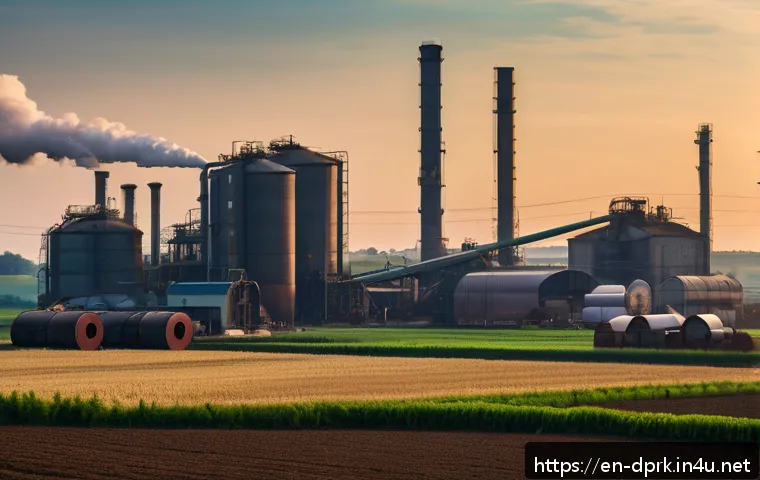
From a “seed revolution” focusing on high-yield, climate-resilient crops to the unexpected use of agricultural drones like the “Jongdari-101” for pesticide spraying, their scientists are on a mission.
It’s not just about survival; it’s about leveraging science, technology, and even organic farming principles to transform their agricultural landscape and better adapt to an ever-changing climate.
The government’s strong emphasis on scientific farming and forest restoration policies tells a compelling story of an urgent national effort. It’s a complex picture, certainly, but one full of dedicated research into everything from specialized crop strains to sophisticated new farming equipment designed to boost productivity.
This is about real people working hard, trying to solve very real problems with ingenuity and scientific rigor. You might be surprised by the sheer scale and intensity of these efforts.
Let’s dive deeper into the fascinating details below and discover precisely what’s happening.
Hey everyone, it’s your favorite English blog influencer here, diving deep into a topic that honestly, truly surprised me!
Flying High: Drones and the Modernization of Agriculture
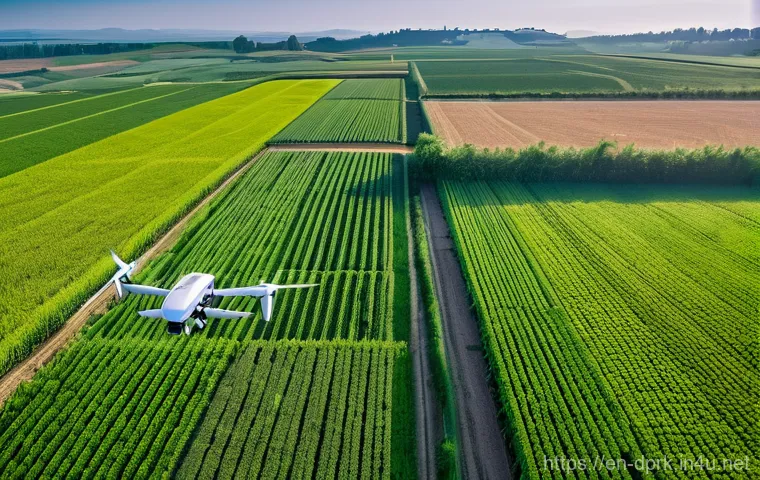
I’ve been tracking agricultural trends globally for years, and let me tell you, the integration of advanced technology, even in the most unexpected places, never ceases to amaze me. When I first heard about North Korea’s foray into agricultural drones, I was genuinely intrigued. They’ve actually rolled out something called the “Jongdari-101,” a pesticide-spraying drone that they claim can do the work of 35 farm laborers. Can you imagine the efficiency boost that provides? This isn’t just a prototype; it’s a six-axis unmanned aerial vehicle that can carry 15 kilograms of pesticides and cover a hectare in about 12 minutes. The speed alone is impressive, operating between 7 and 21 kilometers per hour. What’s even more fascinating is the speculation that this isn’t just for domestic use; some analysts believe that featuring the Jongdari-101 in publications aimed at foreigners suggests they’re looking to export it. This really highlights a global trend where technology, especially drones, is rapidly transforming farming, saving time and labor while improving worker safety by reducing direct exposure to harmful chemicals. It just goes to show that innovation can emerge from anywhere, driven by necessity.
The Rise of Mechanized Farming
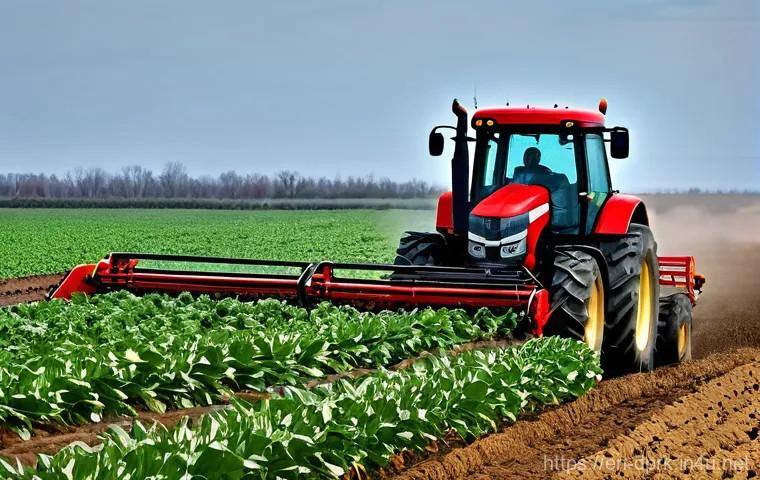
Beyond drones, there’s a broader push for mechanization that’s caught my eye. We’re talking about more than just a few fancy gadgets; it’s about a comprehensive effort to upgrade farm equipment across the board. I recently learned about a new tractor model, the “Chollima 1104,” unveiled in late 2022. At 110 HP, it’s touted as their most powerful tractor to date, reflecting a clear determination to boost agricultural output. When you look at the historical context, North Korea was actually an early adopter, manufacturing its own tractors as far back as 1958. That’s quite a feat for a developing nation! This drive for mechanization is crucial, especially in a country with significant portions of its population still engaged in agriculture. It’s about leveraging technology to overcome physical labor demands and improve overall productivity. My personal take? Seeing these developments reminds me how universal the need for efficiency and progress is in farming, no matter the political landscape.
Leveraging Satellite Imagery for Smarter Farms
And it’s not just about the hardware in the fields. What’s truly modern is how they’re starting to think about data. I’ve seen reports indicating that North Korea is increasingly looking into using satellite imagery to inform their farming practices. This is a game-changer! Imagine being able to monitor vast expanses of farmland from above, identifying issues like soil erosion, pest infestations, or water stress before they become major problems. This kind of remote sensing technology can provide invaluable insights for optimizing crop management and resource allocation. While implementing such sophisticated systems across an entire nation is a huge undertaking, the very fact that it’s on their radar speaks volumes about their commitment to “scientific farming.” It’s about making smarter, data-driven decisions, which, as I’ve always emphasized in my own gardening endeavors, is key to maximizing yields.
The Heart of the Harvest: Cultivating High-Yield, Resilient Crops
You know, it all comes down to the seeds. Every farmer, every gardener, understands that the foundation of a good harvest lies in the quality of what you plant. North Korea is deeply invested in what they call a “seed revolution,” a directive aimed at developing and distributing high-yielding and climate-resilient crop varieties. This isn’t just some abstract scientific pursuit; it’s a matter of national food security, given their past struggles with shortages. They’re meticulously working on improving staple crops like rice, maize, and potatoes, which are absolutely critical to their diet. From my observations, this involves not only genetic improvements but also ensuring that the right strains are planted in areas best suited to their climatic conditions. It’s a painstaking process, but the results, when successful, can be transformative for communities relying on these harvests.
Innovating with Potatoes and Other Staples
Potatoes, in particular, have seen a significant push. I’ve learned that the area dedicated to potato cultivation has dramatically expanded, from around 61,000 hectares in 1990 to an impressive 215,000 hectares by 2018. This expansion highlights the potato’s role as a key carbohydrate source and a vital component in their food security strategy. What’s more, they’re not just planting; they’re actively researching how to maximize yields, even experimenting with different nitrogen fertilizer applications to see what works best in their soil conditions. Imagine the impact of increasing a potato yield from the current average of 11-12 tons per hectare to a potential 30-40 tons with optimal management, as some studies suggest. That’s a huge leap, and it’s something I can appreciate, having wrestled with my own garden’s soil fertility in the past! Beyond potatoes, they are also focused on improving fruit, vegetable, and mushroom cultivation, aiming for a more diverse and resilient food supply.
Building Climate Resilience into Crops
In an era of unpredictable weather, climate resilience isn’t just a buzzword; it’s a necessity. North Korea is no stranger to the impacts of climate change, with frequent droughts, floods, and heatwaves posing constant threats to agricultural production. That’s why their “seed revolution” isn’t just about high yields; it’s critically focused on developing crop strains that can withstand these environmental pressures. Researchers are working to create varieties that are more tolerant to drought or can bounce back after heavy rains. This proactive approach to breeding resilience into their crops is, in my opinion, one of the most vital aspects of their agricultural research. It’s about building a buffer against nature’s whims, ensuring that even when the weather turns rough, there’s a better chance of bringing in a harvest. I truly believe that investing in such resilient plant genetics is the smartest long-term strategy for any nation facing similar climate challenges.
Embracing Nature’s Solutions: The Organic Farming Movement
This next part truly fascinates me because it aligns so much with global movements towards sustainable agriculture. North Korea, in its quest for food security, has surprisingly embraced organic farming practices, particularly through what they call a “Circular Closed-Loop Production System.” This concept isn’t new to sustainable agriculture advocates, but seeing it implemented at a national level is something else. Essentially, it involves integrating crop cultivation and livestock production in self-sustaining cycles. Think about it: livestock waste becomes fertilizer for crops, and crop residues feed the livestock, minimizing external inputs and maximizing resource efficiency. It’s a brilliant way to address soil health and enhance crop production, especially in a country where access to chemical fertilizers might be limited. I’ve personally experimented with composting and natural pest control in my own garden, and the benefits of working *with* nature, rather than against it, are undeniable.
The Power of Microbial and Organic Fertilizers
A huge part of this organic farming push involves the active development and use of microbial and organic fertilizers. Instead of relying solely on synthetic chemicals, which can be costly and have environmental drawbacks, North Korean scientists are researching and producing their own. This means things like specialized actinomycete fertilizers and amino acid trace element complex fertilizers, all aimed at improving soil fertility and plant growth naturally. They’re effectively harnessing the power of beneficial microorganisms and organic matter to create a healthier growing environment. This kind of innovation, born out of necessity and a commitment to self-reliance, really makes sense. I mean, who wouldn’t want richer soil that nurtures strong plants without constant chemical intervention? It’s a testament to the ingenuity that can emerge when people are determined to make the most of what they have.
Monitoring and Prevention of Pests and Pathogens
Of course, organic farming isn’t without its challenges, especially when it comes to pests and diseases. But their approach is quite strategic. Alongside their focus on soil health, efforts are underway to implement robust programs for monitoring and preventing pathogen and pest infestations. This proactive approach is crucial in maintaining healthy crops without heavy reliance on synthetic pesticides. It’s about understanding the ecosystem, identifying potential threats early, and employing natural or integrated methods to keep them in check. From my own experience, a healthy plant grown in healthy soil is inherently more resistant to pests, and I imagine that’s a principle they are applying here. It truly speaks to a holistic view of agriculture, where every component of the farming system is considered.
Greening the Mountains: A Decade of Forest Restoration
When I think about large-scale environmental efforts, North Korea’s reforestation drive definitely stands out. I recently read that their ambitious decade-long campaign has resulted in the addition of approximately 1.2 million hectares of new forest. That’s a massive undertaking, and it really puts into perspective their commitment to “greenify” the country, as leader Kim Jong Un himself put it. This isn’t just about aesthetics; it’s a crucial response to significant deforestation that plagued the country for decades, especially after the famine in the 1990s when wood was a primary fuel source. The image of denuded slopes, which were once common, is gradually being replaced by new growth, particularly around Pyongyang and in the Hwanghae and Pyongan provinces. It reminds me of the sheer power of collective human effort when directed towards a common, vital goal. It’s a long road, but the progress is tangible.
Establishing Tree Nurseries Across Provinces
A cornerstone of this reforestation effort is the establishment of large-scale tree nurseries in each of North Korea’s provinces. We’re talking about facilities designed to produce millions of seedlings annually – 20 to 25 million trees per nursery, to be precise. That kind of scale is staggering! They’re cultivating a variety of species, including pine, maple, larch, and pine nut, along with fruit trees that serve a dual purpose: ecological restoration and food production. This smart, multi-faceted approach shows they’re thinking about the long-term benefits beyond just planting trees. Having visited local nurseries myself, I know the dedication it takes to grow healthy saplings ready for planting. This network of nurseries is truly the backbone of their ambitious greening project.
Agroforestry for a Balanced Ecosystem
What’s really interesting is their adoption of an agroforestry strategy. This isn’t just about replanting forests; it’s about integrating trees with agricultural practices to balance conservation with the urgent need for food and fuelwood. This kind of sustainable land management is something I’ve always championed, as it acknowledges the interconnectedness of different land uses. For instance, planting fruit trees alongside other crops can not only contribute to food security but also help improve soil health and prevent erosion. It’s a more nuanced and thoughtful approach than just clear-cutting for farmland, which often leads to further environmental degradation. This long-term vision for their landscapes truly speaks to a deeper understanding of ecological principles, aiming for both productivity and environmental health.
Battling the Elements: Climate Change and Food Security
Okay, let’s get real about one of the biggest challenges facing agriculture everywhere: climate change. North Korea is incredibly vulnerable to its impacts, with a history of severe food shortages linked to extreme weather events like droughts, floods, and heatwaves. My research shows that their average temperature rose by 1.9 °C between 1918 and 2000, and they’ve been ranked as one of the hardest-hit nations by climate-related disasters. It’s a grim reality, and honestly, it’s a constant battle for their farmers. This isn’t just an academic problem; it translates directly into hunger and malnutrition for millions. What I’ve observed, however, is a strong emphasis on adapting to these changing conditions, recognizing that agricultural production increasingly depends not just on natural climate, but on scientific and technological interventions.
Innovations in Water Management and Irrigation
When you’re dealing with erratic rainfall and droughts, water management becomes paramount. North Korea has been making significant efforts to improve its agricultural infrastructure, especially by expanding irrigation facilities. This is crucial for rice cultivation, which thrives in warmer regions with reliable water supplies. I’ve heard about the development of “electric impulse water treatment devices,” which, while the details are sparse, suggests an innovative approach to ensuring water quality and availability for crops. They’re also pushing for the completion of comprehensive irrigation systems across farms, recognizing that a stable water supply is fundamental to consistent harvests. From my own experience, consistent watering can make or break a crop, so these investments are absolutely vital for their food security.
Extending Growing Seasons with Greenhouses
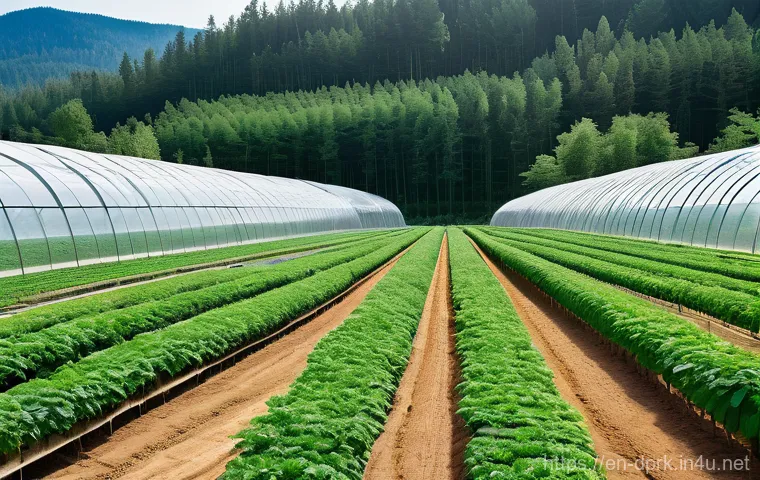
Another smart adaptation strategy I’ve seen is the widespread construction of greenhouses. Much of North Korea’s arable land is covered in frost for half the year, making a long growing season a luxury. Greenhouses effectively extend this season, allowing for multiple harvests annually and increasing overall production. I remember seeing images of the Nyonpole greenhouse complex and the Kangong greenhouse, which opened in 2022, and thinking about the sheer scale of these projects. They’re enabling the cultivation of soft fruits like strawberries and melons, diversifying the food supply beyond staple grains. This ingenious use of controlled environments is a fantastic way to overcome climatic limitations and ensure a more consistent food supply, something any home gardener with a small greenhouse can appreciate!
Science at the Forefront: Investing in Agricultural Innovation
If there’s one thing that consistently comes through in my dive into North Korea’s agricultural scene, it’s their unwavering belief in the power of science and technology. It’s not just a casual interest; it’s a national directive. The Workers’ Party’s official newspaper, Rodong Sinmun, has repeatedly emphasized that agricultural production depends not on natural climate but on agricultural science and technology. They actively urge agricultural workers to “broaden their horizons and enhance their technical skills through diligent study of agricultural science and technology.” This push for scientific farming isn’t just talk; it’s backed by investments in research institutions and the development of new solutions. It speaks volumes about a government trying to leverage every possible scientific advantage to feed its people.
Strengthening Agricultural Science Research Institutions
To make this scientific farming a reality, North Korea is expanding and refurbishing agricultural science research institutions across the country. I’ve seen mentions of provincial agricultural science research institutes being renovated, complete with corn research laboratories, soil analysis laboratories, and exhibition buildings showcasing scientific achievements. The Wonsan Namsae Research Branch, for example, reportedly houses various laboratories and seed storage facilities. These institutions are tasked with solving the scientific and technical problems related to optimizing agricultural production and leading the way in creating new breeds of corn and other crops. It’s clear they understand that a strong research base is essential for long-term agricultural progress. As someone who’s always learning new farming techniques, I can certainly appreciate the value of dedicated research and development.
Developing Advanced Agricultural Products
This scientific focus translates directly into tangible new products. Beyond the drones and improved crop varieties, they’re developing a range of “advanced agricultural products.” This includes things like the aforementioned electric impulse water treatment device and a seed coating agent called “Bountiful Harvest No. 1.” These are the kinds of innovations that can have a direct impact on farm productivity. A good seed coating, for example, can protect seedlings from pests and diseases, giving them a stronger start. It’s all about finding those marginal gains that, when scaled up across a nation’s agriculture, can make a huge difference in food output. My personal feeling is that this kind of pragmatic, problem-solving science is a hallmark of truly effective agricultural development.
Protecting Nature’s Assets: Biodiversity and Genetic Resources
While the focus on food production is undeniably urgent, I’ve also found that North Korea is putting considerable effort into something equally vital: protecting its biodiversity and preserving genetic resources. This is a topic close to my heart, as I truly believe that a healthy ecosystem is the foundation for sustainable living. Their commitment to this cause is evident in their forest restoration efforts, but it extends to specialized botanical gardens and institutes dedicated to plant conservation. They understand that their natural heritage, from rare plant species to the genetic diversity of their staple crops, is an invaluable asset. It’s not just about what they can harvest today, but what they can preserve for future generations.
Conservation of Unique Plant Species
I learned that the Central Botanical Garden, for instance, houses an impressive 6,500 species of plants and actively conducts research on breeding and preserving threatened species that hold high economic and scientific value. They’re particularly attentive to the protection and propagation of species showing a decrease in North-East Asia and within their own borders. This includes not just common flora but also rare, endemic, and northern lineage species unique to the Korean Peninsula. It’s a monumental task, but the establishment of new plant exhibition and arboretum sites, like the one in Mt. Oga Nature Reserve with 4,000 trees, demonstrates a real dedication. From my perspective, safeguarding these unique plant genetic resources is like keeping a library of life, ensuring that crucial evolutionary information isn’t lost.
Safeguarding Crop Genetic Diversity
Beyond wild plants, there’s a critical emphasis on conserving the genetic diversity of agricultural crops and their wild relatives. This is managed by institutions like the Institute of Crop Variety under the Academy of Agricultural Science, which maintains a gene bank. Similar efforts are in place for fruit at the Institute of Pomology and vegetables at the Central Institute of Vegetable. Why is this so important? Because genetic diversity provides the raw material for developing new, improved crop varieties that can adapt to changing climates, resist new diseases, or offer better nutritional value. It’s essentially an insurance policy for future food security. I think it’s incredibly forward-thinking to invest in this kind of foundational research, even amidst pressing immediate needs, because it secures the future of their agriculture.
Forging Ahead: Policies Driving Agricultural Transformation
It’s clear to me that these scientific advancements and practical innovations aren’t just happening in a vacuum; they’re driven by deliberate and evolving agricultural policies. Since Kim Jong Un took power, there’s been a consistent push to revitalize the sector, and frankly, some of the shifts are pretty significant. It’s a dynamic landscape where the government is trying to balance centralized control with incentives for farmers, all while striving for that elusive goal of food self-sufficiency. This isn’t just about farming methods; it’s about the entire framework within which agriculture operates, adapting to both internal challenges and external pressures. It’s a complex dance, and observing these policy changes gives us a deeper insight into their long-term agricultural vision.
The “Juche” Farming Method and Modern Updates
Historically, the “Juche Farming Method,” rooted in the philosophy of self-reliance, has guided agricultural practices. This method emphasizes planting and growing crops according to their unique characteristics and the specific conditions of the region. While the core idea of adapting to local conditions is sound, the collective farm system often meant that farmers had limited autonomy. However, I’ve seen some interesting shifts, particularly since 2012, where farmers are now allowed to keep a larger portion of their produce – sometimes up to 30% – with the aim of incentivizing greater productivity. This move was a big deal, signaling a recognition that individual motivation plays a crucial role. It reminds me of how even in highly structured systems, a little bit of personal reward can spark significant improvements.
Investing in Infrastructure and Human Talent
Beyond policy tweaks, there’s a serious focus on strengthening the fundamental infrastructure of agriculture. This includes everything from expanding arable land through reclamation projects to improving existing irrigation canals and reservoirs, many of which were antiquated. But it’s not just about physical infrastructure; it’s also about “human talent.” There’s a strong emphasis on nurturing agricultural science talent and promoting the development of human resources in the agricultural sciences. This means training researchers, technicians, and farmers themselves in modern scientific methods. It’s an all-encompassing effort to uplift the entire agricultural sector, recognizing that expertise and skilled labor are just as vital as machinery and good seeds. As someone who believes in continuous learning, I think this investment in human capital is incredibly smart and will pay dividends in the long run.
| Innovation/Area | Description and Impact | Current Status/Goal |
|---|---|---|
| Agricultural Drones | Deployment of drones like the “Jongdari-101” for pesticide spraying, significantly increasing efficiency and reducing manual labor. | Operational; potential for export being explored. |
| High-Yield, Climate-Resilient Crops | “Seed revolution” focusing on developing crop varieties (rice, maize, potatoes) that offer higher yields and better withstand extreme weather conditions. | Ongoing research and widespread distribution of improved strains. |
| Organic Farming | Implementation of “Circular Closed-Loop Production Systems” and reliance on microbial and organic fertilizers to improve soil health and reduce external inputs. | Actively promoted as a national strategy, with research into new fertilizer types. |
| Forest Restoration | A decade-long national campaign to “greenify” the country by planting millions of trees and establishing provincial nurseries. | Significant progress with millions of hectares reforested; ongoing efforts to address deforestation in some regions. |
| Greenhouse Cultivation | Construction of large-scale greenhouses to extend growing seasons and diversify food production beyond traditional staple crops. | Increasing number of facilities, allowing for year-round production of various crops. |
글을마치며
Wow, what a journey we’ve had together today, diving into the incredible world of North Korea’s agricultural innovations! Honestly, I was genuinely taken aback by the sheer dedication and ingenuity at play, from high-tech drones to ancient organic farming wisdom. It truly reminds us that while the challenges of feeding a nation and adapting to climate change are universal, the solutions can emerge from the most unexpected places. It’s a powerful testament to the human spirit’s unwavering drive to innovate and overcome, no matter the circumstances.
알아두면 쓸모 있는 정보
1. Embrace Seed Science for Your Garden: Just like nations are investing in “seed revolutions,” understanding the right seed for your climate and soil can transform your personal gardening success. Look for varieties described as “climate-resilient” or “high-yield” to get the most out of your efforts. Experiment with local seed banks or specialized nurseries, and you might just discover a new favorite.
2. Drones Aren’t Just for Fun (or Delivery!): While we might associate drones with hobbyists or package delivery, their utility in agriculture is exploding. Even if you don’t have a farm the size of a nation, consider how drone technology is becoming more accessible for monitoring your garden, checking irrigation, or even identifying pest issues early. It’s a growing field worth keeping an eye on for efficiency and safety!
3. The Magic of Organic Loops: The idea of “Circular Closed-Loop Production Systems” isn’t just for large-scale farms; it’s a fantastic principle for any sustainable home. Think about composting your kitchen scraps to enrich your garden soil, or using natural pest deterrents. Every little bit of organic practice, from microbial fertilizers to companion planting, reduces waste and nurtures a healthier ecosystem right in your backyard.
4. Reforestation Starts Small: You might think large-scale tree planting is beyond your scope, but even planting a single tree in your community makes a difference. Consider native species that support local wildlife and help with carbon sequestration. Supporting local nurseries or environmental groups involved in reforestation efforts is another powerful way to contribute to a greener, more resilient planet, much like the extensive efforts we saw today.
5. Adapting to Climate Change is Everyone’s Job: Whether it’s through simple methods like smart watering systems or more advanced solutions like mini-greenhouses, adapting to unpredictable weather patterns is crucial. Pay attention to local weather trends, choose drought-tolerant plants if you’re in a dry area, or ensure good drainage if you face heavy rains. Every step we take to make our growing practices more resilient contributes to greater food security and environmental stability.
중요 사항 정리
What truly struck me throughout this deep dive is the profound and multifaceted commitment to agricultural innovation we’ve seen. From the cutting-edge use of agricultural drones and powerful new tractor models to the strategic deployment of satellite imagery, technology is clearly a cornerstone of their approach to boosting productivity. Simultaneously, there’s an unwavering focus on developing high-yield, climate-resilient crop varieties through a dedicated “seed revolution,” which is absolutely vital for ensuring a stable food supply in an unpredictable world. I found it particularly inspiring to learn about their embrace of organic farming principles, including “Circular Closed-Loop Production Systems” and the widespread use of microbial fertilizers, which demonstrate a pragmatic understanding of sustainable land management. Furthermore, the massive, decade-long forest restoration campaign speaks volumes about their long-term environmental vision and efforts to combat the effects of climate change. Ultimately, this isn’t just about survival; it’s about a nation leveraging every scientific, technological, and natural advantage to secure its future, driven by dedicated people working tirelessly to make it happen. It’s a compelling narrative of resilience and scientific rigor that echoes universal challenges and aspirations.
Frequently Asked Questions (FAQ) 📖
Q: People often talk about a “seed revolution” in North Korea. Could you explain what that actually means and why it’s such a big deal for them?
A: You know, when I first heard the phrase “seed revolution,” my immediate thought was, “Now that sounds like something worth digging into!” And honestly, it is.
From what I’ve gathered, this isn’t just some catchy slogan; it’s a really focused, nationwide push to develop and widely distribute new, highly improved crop varieties.
Picture this: their scientists are basically on a mission to engineer ‘super-crops.’ These aren’t your average seeds; we’re talking about strains specifically bred to deliver significantly higher yields, even when conditions aren’t perfect.
This is genuinely vital because, let’s face it, North Korea faces some pretty tough agricultural hurdles, from limited good farming land to unpredictable weather.
So, by creating crops that can stand up to challenges like drought or particular pests, and still give them more food per acre, they are directly addressing their core food security concerns.
It’s an incredibly ambitious scientific undertaking that truly highlights their scientists’ deep commitment to feeding their population, making their farming more resilient, and adapting to our ever-changing climate.
To me, it feels like a foundational effort to secure their long-term food supply.
Q: I was surprised to read about agricultural drones being used. What kind of technology are they integrating into their farming, and how is it impacting productivity?
A: Oh, that’s definitely one of the most eye-opening parts, isn’t it? When I first learned about their agricultural drones, especially the “Jongdari-101,” I instantly thought, “Wow, they are really embracing cutting-edge tech!” It’s a powerful reminder that innovation truly doesn’t have boundaries.
From my viewpoint, this is a significant game-changer for them, especially for tasks such as precise pesticide spraying. Just imagine the sheer manual labor and time it would take to treat vast fields by hand; a drone can accomplish that work far more efficiently, and often with greater accuracy, which means less waste and better coverage.
But it’s not solely about drones; their broader commitment to “scientific farming” includes a whole spectrum of advancements. I’ve picked up on cues about specialized new farming equipment designed specifically to boost productivity, likely encompassing everything from enhanced tilling machinery to more effective irrigation systems.
It’s all about strategically leveraging technology to overcome physical limitations and environmental obstacles, ultimately aiming to extract every bit of potential from their land and significantly increase overall agricultural output.
It really speaks to a focused and determined effort to modernize their agricultural practices.
Q: Beyond just growing more food, are there other major environmental challenges that North Korea is tackling through its plant research and agricultural policies?
A: That’s a fantastic question, and one that makes you think about the bigger picture of national strategies! While there’s no doubt that food security is an enormous driving force, it’s pretty clear they’re looking at things through a wider lens.
The strong emphasis on “forest restoration policies” immediately caught my attention. This isn’t just about planting trees for appearance; it’s a absolutely critical element for environmental stability.
Extensive deforestation can lead to severe soil erosion, desertification, and disruptions in water cycles, all of which can devastatingly impact agricultural lands.
So, by investing heavily in large-scale forest restoration, they’re not only attempting to lessen the effects of climate change but also actively working to safeguard their existing farmland and prevent future ecological damage.
I personally believe this integrated approach, which combines the development of high-yield crops with substantial environmental rehabilitation, shows a clear understanding of how interconnected food systems and ecological health truly are.
It demonstrates a long-term vision to cultivate a more sustainable and resilient agricultural landscape, which, quite frankly, many countries are still striving to achieve.
It’s an impressive, integrated effort to secure both food and a healthier environment.