Hey there, global adventurers! We often take the simple act of flicking a switch for granted, living in a world powered by seemingly endless electricity.
But what if that wasn’t your reality? I’ve been absolutely fascinated diving deep into one of the planet’s most intriguing and often misunderstood energy landscapes: North Korea’s persistent power shortages.
It’s a truly complex web, woven from layers of geopolitical factors, aging infrastructure, and the immense daily struggles of millions. What I’ve personally uncovered in my research goes beyond mere statistics, painting a picture of a nation constantly adapting, exploring innovative—and sometimes desperate—solutions.
This isn’t just about kilowatts and power grids; it’s a profound story of resilience, policy, and a society striving for self-reliance against truly incredible odds.
You won’t believe what’s happening behind the headlines, impacting everyday lives in ways we can barely imagine. Ready to peel back the layers and truly understand the story behind their power struggles?
Living in the Shadows: The Reality of Daily Life Without Reliable Electricity
The Uneven Glow: Pyongyang vs. Rural Areas
When I first started digging into North Korea’s power situation, what truly hit me wasn’t just the statistics; it was the raw, human stories behind the numbers.
Can you imagine living in a major capital city, a place you’d expect to be brightly lit and humming with activity, only to experience constant, unpredictable rolling blackouts?
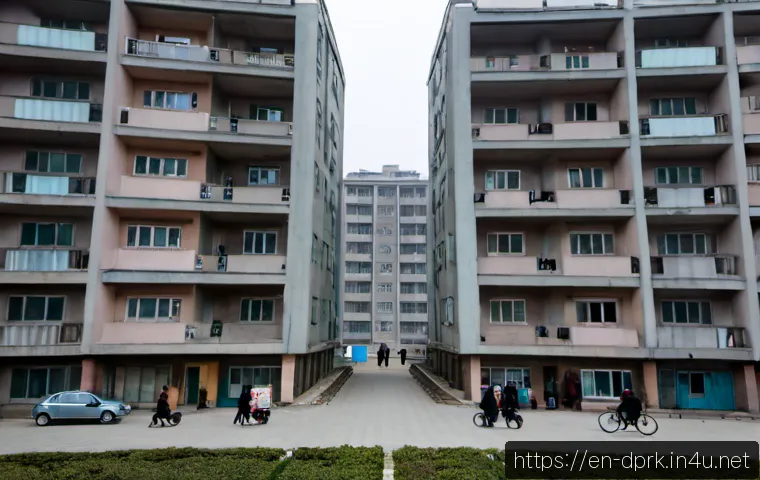
That’s the reality for many in Pyongyang. I read accounts describing how even the city’s central areas and elite neighborhoods can go dark at night, forcing residents to adapt to a rhythm of intermittent power.
It really struck me how even the symbolic landmarks like the Kumsusan Palace of the Sun or Mansudae Hill, despite having emergency generators, still saw dimmer lighting at times.
But it gets even tougher outside the capital. For folks in the provinces, reliable electricity is a distant dream. I’ve heard reports that some rural areas receive power for only a few hours a day, perhaps four times a week, while the most unfortunate communities might only see electricity for a single day *a year*.
This stark contrast isn’t just an inconvenience; it shapes every aspect of life, from how people cook and clean to whether they can even use an elevator in a high-rise apartment during rush hour.
It’s a constant, unsettling reminder of the profound inequalities within the country’s energy distribution.
Beyond the Grid: Ingenuity in Daily Survival
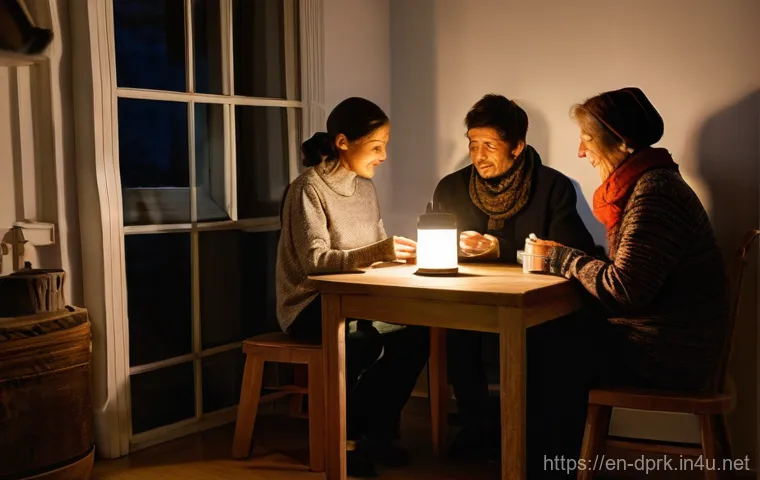
Living with such chronic uncertainty naturally sparks incredible ingenuity. When the state grid falls short, people find their own ways to light their homes and power essential devices.
I’ve seen images and read testimonies about the widespread adoption of personal solar panels, sprouting from rooftops and hanging from balconies like modern-day lifelines.
These aren’t just for luxury; they’re often the *only* way to keep a few lights on or charge a phone. It’s a testament to human resilience, isn’t it? Beyond solar, the everyday solutions often revert to simpler, more traditional methods.
Imagine bundling up in the frigid winter because electric heaters are out of the question, relying instead on firewood and coal, which themselves have become increasingly expensive.
The struggle isn’t just about comfort; it impacts critical services too. Hospitals, for instance, face immense challenges, with emergency rooms and vital wings like maternity having priority, while ordinary hospital sections often contend with intermittent power, making standard medical care incredibly difficult.
This constant adapting, exploring both low-tech and small-scale off-grid solutions, paints a vivid picture of a society constantly striving to overcome seemingly insurmountable odds, yet under immense psychological pressure due to the fear of crackdowns on any “illegal” power usage.
An Aging Grid and Shifting Power Dynamics: Why the Lights Flicker
The Legacy of Juche and Outdated Infrastructure
To truly understand North Korea’s power struggles, we have to look back at its foundational philosophy: *Juche*, or “self-reliance.” This ideology, deeply ingrained since the mid-20th century, has undeniably shaped the nation’s energy policy.
While the intention was to create an independent economy, free from external influence, the practical reality has been quite different. I’ve come to realize that this isolationist approach has, perhaps unintentionally, hindered technological advancement and critical investment in the energy sector.
Many of the country’s thermal power stations and major hydroelectric plants were built decades ago, often with the support of the Soviet Union and China.
While they were once state-of-the-art, they are now woefully outdated and inefficient, struggling to meet modern demands. It’s like trying to run today’s world on a dial-up modem – it just doesn’t cut it.
This reliance on aging infrastructure means that even when resources are available, the generation and distribution are far from optimal, leading to significant power losses and a disconnected national grid that simply can’t cope.
The Seasonal Dance of Hydroelectricity
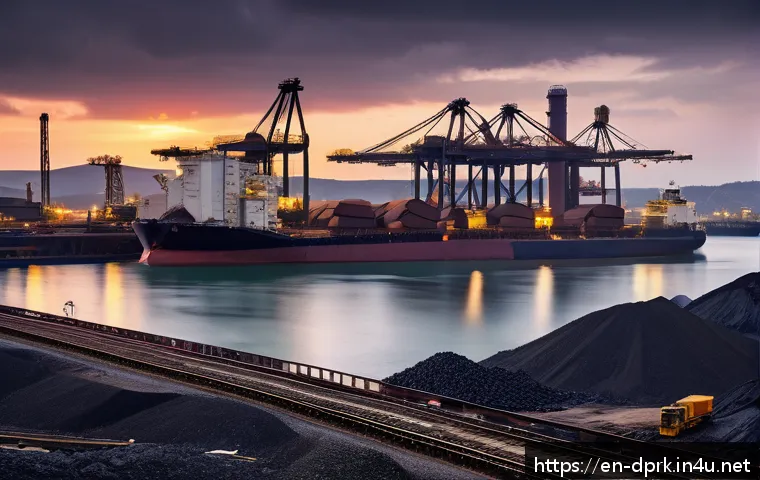
North Korea’s energy mix leans heavily on two primary sources: coal and hydroelectric power. What’s truly fascinating, and equally problematic, is the country’s significant dependence on hydropower.
In 2022, it comprised over 57% of their total energy production. Now, this sounds great in theory, utilizing natural resources, right? But here’s the kicker: hydroelectric power is inherently vulnerable to the whims of nature.
I’ve learned that seasonal fluctuations and periodic droughts can severely impact water levels, directly leading to a decrease in electricity generation, especially during the dry seasons.
Think about it – rivers freezing over in winter or dwindling to a trickle during prolonged dry spells. These environmental challenges hit hard when the country needs power most, particularly for heating in the colder months.
While thousands of small and medium-sized dams have been constructed to serve local factories and households, the overall system remains fragile. Meanwhile, thermal power plants, which ideally could pick up the slack, are often underutilized due to a persistent lack of fuel, creating a frustrating Catch-22 in their energy strategy.
| Primary Energy Source | Approximate Contribution (2022-2023) | Key Challenges Faced |
|---|---|---|
| Hydroelectric Power | >57% of electricity generation | Seasonal water fluctuations, droughts, aging infrastructure, regional distribution imbalances. |
| Coal (Thermal Power) | Significant for primary energy, ~33% of electricity (2000) | Outdated plants, inconsistent fuel supply, impact of sanctions on domestic use, environmental concerns. |
| Solar Power | Increasing, but small overall percentage | High initial cost of panels, limited domestic manufacturing capacity, primarily supplemental or off-grid. |
| Wind Power & Other Renewables | Small-scale, localized initiatives | Limited widespread adoption, geographical suitability, technological expertise, funding. |
Sanctions’ Tangled Web: Unintended Consequences on Energy
Restricting Fuel and Technology Inflows
The international sanctions regime, while aimed at curbing certain government activities, casts a long, complicated shadow over North Korea’s energy landscape.
It’s a truly complex situation, and what I’ve observed is that these sanctions don’t just target specific sectors; they ripple through the entire economy, often hitting the most vulnerable hardest.
For instance, resolutions that limit oil imports and ban essential heavy machinery and electrical equipment directly strangle the ability to maintain and upgrade the energy infrastructure.
Think about trying to repair an old power plant without access to spare parts or modern tools – it’s a losing battle. What’s even more ironic, and frankly, quite startling, is the unintended consequence on coal.
While sanctions aimed to reduce North Korea’s revenue from coal exports, sometimes those same measures lead to a shortage of coal for *domestic* power plants.
It’s a perverse outcome where the country has abundant coal resources, yet its power plants can’t get enough to operate efficiently because the system is so heavily impacted by the external restrictions on trade and finance.
This isn’t just about economics; it’s about the very practical inability to keep the lights on.
The Unequal Distribution of Scarce Resources
One of the most disheartening aspects I’ve learned about is how the scarcity of electricity is managed, or perhaps “mismanaged.” When power is limited, the regime makes decisions about who gets it and who doesn’t.
And what I’ve found consistently is that this often means reallocating precious electricity from rural, poorer areas to prioritize Pyongyang and key industrial or military facilities.
I can only imagine the frustration and despair of people living in the countryside, seeing their already meager power supply dwindle further, knowing that the capital is receiving more consistent power.
Satellite imagery showing the stark difference in nighttime luminosity between Pyongyang and the rest of the country really brings this point home. This isn’t just a matter of policy; it’s a profound humanitarian issue.
These distribution disparities exacerbate existing inequalities, disproportionately affecting working-class families, particularly children and seniors in remote regions who already struggle with access to basic necessities like medical supplies, food, and fuel for cooking and heating.
It makes you wonder about the true cost of such policies on the everyday lives of millions.
A Glimmer of Hope? The Push for Alternative Energy
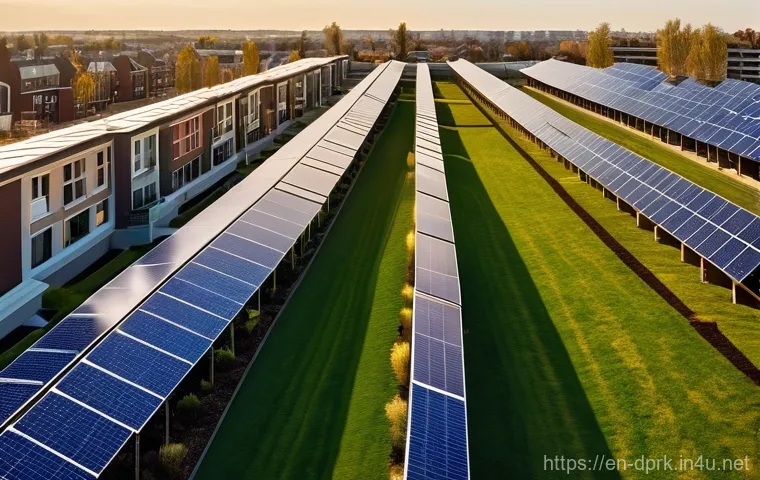
Solar Power’s Ascent: From Rooftops to Plants
Amidst the ongoing power struggles, there’s a definite glimmer of hope emerging from the most unexpected places: solar power. It’s really fascinating to see how individuals and even the state are turning to the sun as a more reliable, albeit decentralized, energy source.
What started as small, personal solar panels on individual homes and balconies, providing a few precious hours of light, has evolved. I’ve tracked reports showing a significant increase in both the importation and domestic production of these panels.
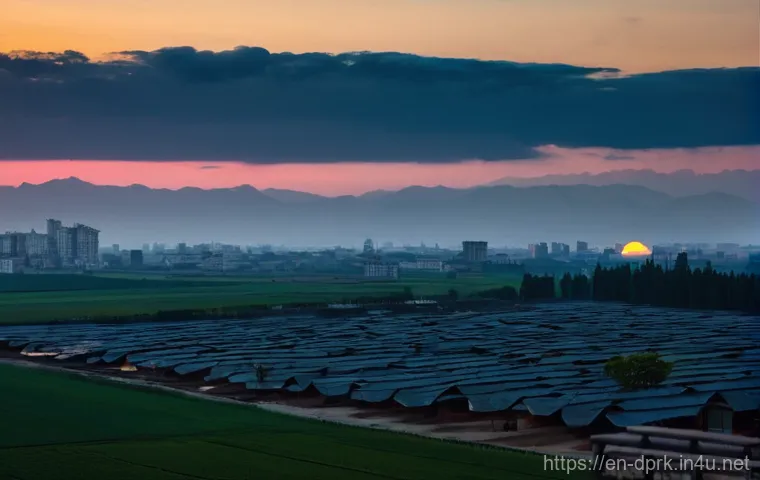
We’re now even seeing state-sponsored solar installations. Take the North Phyongan Solar Plant in Sinuiju, for example – it’s one of the largest, featuring thousands of panels spread across a substantial area, actively feeding into the electricity grid.
Unlike massive hydropower projects that can take decades to complete, solar power plants offer a relatively quick setup, making them incredibly appealing for addressing immediate energy needs and reducing reliance on traditional, unreliable sources.
The potential here, given the ample suitable land, feels immense, limited only by the ability to acquire or manufacture enough panels.
Beyond Solar: Exploring Wind and Small-Scale Hydro
But the innovation doesn’t stop at solar. The pursuit of alternative energy in North Korea is broader than I initially realized, reaching into other renewable sources, particularly wind and small-scale hydroelectric.
I’ve read about a push to develop wind turbines, though often on a smaller scale, and the continued construction of small and medium-sized hydroelectric generators along rivers and streams in suburban areas.
These aren’t necessarily meant to power large cities, but rather to serve as off-grid solutions for local factories and rural communities that the national grid simply can’t reach consistently.
It’s a pragmatic approach, focusing on localized power generation where the central system fails. However, it’s not without its hurdles. I noted that these small hydroelectric plants, while vital, often can’t operate during the harsh winter months when rivers freeze, creating a seasonal energy gap that still needs to be filled.
And while the idea of expanding solar is popular, the sheer cost of large-scale panel installations remains a significant barrier for many provinces, leading to calls for more state support.
It’s a complex puzzle, but the proactive exploration of these alternatives shows a clear recognition of the problem and a determined, albeit challenging, effort to find sustainable solutions.
The Road Ahead: Challenges and Potential Pathways
Investment, Technology, and International Cooperation
Looking at North Korea’s energy future, it’s clear that the path ahead is steep and winding, filled with significant challenges. The most glaring issues I’ve observed revolve around the dire need for substantial capital investment and advanced technology.
The current infrastructure is a relic of a bygone era, and without significant upgrades, the chronic shortages will persist. Yet, the country’s continued isolation, largely a consequence of its own policies and international sanctions, makes attracting this crucial investment and technology incredibly difficult.
I’ve noted discussions about potential international cooperation, with some proposals even mentioning linking grids with South Korea or aid from Russia.
However, these ideas often hit a wall due to the political climate and the North’s underdeveloped transmission infrastructure. It’s a Catch-22: they need external help to modernize, but their geopolitical stance makes that help almost impossible to secure.
The absence of a market-oriented system that allows for reproductive investment further discourages any external capital inflow, creating a stagnant environment where growth is inherently hampered.
Balancing Self-Reliance with Real-World Needs
This brings us back to the core of the dilemma: the tension between the *Juche* ideology of self-reliance and the undeniable, practical need for external resources and expertise.
While the commitment to self-sufficiency is a deeply ingrained political principle, the reality on the ground often demands a more pragmatic approach.
I’ve seen evidence of ongoing efforts to modernize mining equipment and implement energy-saving campaigns, even going so far as to conduct “electricity conservation campaigns” and crack down on “anti-socialist behavior” like illegal power use.
But these top-down directives sometimes face skepticism from the public, who yearn for “realistic policies and concrete support.” It’s a constant balancing act for the regime, trying to uphold its ideology while simultaneously attempting to address the very real, daily struggles of its citizens.
The country exports electricity to China, for instance, which is an interesting revenue stream given its domestic shortages. This duality—promoting self-reliance while engaging in practical, sometimes contradictory, external economic activities—underscores the profound complexity of North Korea’s energy landscape.
It’s a story of resilience, policy, and a society constantly adapting, but also one that highlights the immense hurdles that remain on the path to a truly stable and sufficient power supply.
Wrapping Up Our Energy Journey
Whew, we’ve covered a lot, haven’t we? Diving deep into North Korea’s energy challenges really highlights how fundamental electricity is to our daily lives, something we often take for granted. It’s been an eye-opening journey to see the incredible resilience of people facing such consistent uncertainty, from improvising with solar panels on their rooftops to navigating a system where power is a privilege, not a right. The intricate dance between ideology, aging infrastructure, and global politics creates a truly unique and challenging landscape, making sustainable energy a distant dream for many. But even in the shadows, there’s a drive for innovation and a persistent search for solutions, reminding us that the human spirit always finds a way to adapt and strive for a brighter future.
Useful Insights to Carry With You
- The stark contrast in electricity access between Pyongyang and rural areas is incredibly telling, isn’t it? While the capital sees daily (though often inconsistent) power, folks in the provinces can go weeks or even months without it, sometimes experiencing electricity for just a few hours a day, a few times a week, or in the most extreme cases, only once a year. This unequal distribution is a profound reminder of how deeply systemic issues impact everyday life, shaping everything from cooking meals to simply being able to turn on a light. It’s not just an inconvenience; it’s a constant struggle for basic functionality and a huge barrier to economic development and maintaining a decent standard of living for the majority of the population.
- Sanctions, while intended to curb specific governmental activities, often have unintended and far-reaching humanitarian consequences. I’ve learned that these restrictions on fuel imports, heavy machinery, and even financial transactions can severely hamper the ability to maintain and upgrade critical energy infrastructure. What’s even more complex is how these measures can paradoxically lead to domestic coal shortages, even though the country has abundant coal resources, simply because the system struggles to adapt. This highlights a truly tangled web where geopolitical strategies can inadvertently exacerbate the daily struggles of ordinary citizens, particularly working-class families in remote areas who suffer from restricted access to essential supplies.
- It’s genuinely inspiring to see the ingenuity that blossoms in the face of such adversity. The widespread adoption of personal solar panels, often imported from China, isn’t just a trend; it’s a lifeline for many households, providing the only reliable source of electricity for lighting and charging phones. Beyond solar, the return to more traditional methods like firewood and coal for heating, despite rising costs, showcases incredible resilience. Even the state is pushing for localized, small-scale renewable energy solutions like wind turbines and mini-hydroelectric plants in suburban and rural areas. This push towards diverse energy sources, however small, is a testament to a society constantly innovating to bridge the gap left by an unreliable central grid, even if these solutions come with their own set of challenges, like seasonal operation limits and high upfront costs.
- The profound reliance on hydroelectric power, making up over 57% of electricity generation, is a double-edged sword. While it taps into natural resources, it also leaves the nation extremely vulnerable to the whims of nature. Imagine experiencing severe power cuts because of seasonal droughts or rivers freezing over in winter, precisely when heating is most needed! This inherent instability, coupled with an aging, poorly connected national grid and a consistent lack of fuel for thermal power plants, creates a frustrating cycle of energy scarcity. It really makes you appreciate the diverse and robust energy infrastructure many of us take for granted, designed to withstand environmental fluctuations.
- The ongoing challenge is a complex interplay of outdated infrastructure, the self-reliance (*Juche*) ideology, and limited access to international investment and technology. Decades-old power stations, built with foreign aid, are now inefficient and can’t meet modern demands. The isolationist policies, while intended for independence, have inadvertently stifled technological advancement in the energy sector. While there’s a recognized need for modernization and external cooperation, the political climate makes securing this support incredibly difficult. This creates a perpetual state of “muddling through,” where daily life is heavily shaped by energy scarcity, and genuine long-term solutions remain elusive despite internal efforts to conserve and diversify.
Key Takeaways for a Brighter Perspective
-
The Human Cost of Energy Scarcity is Real: It’s easy to look at geopolitical situations from afar, but the reality on the ground in North Korea paints a vivid picture of human resilience and suffering. From intermittent electricity even in the capital to almost no power in rural areas, this isn’t just an abstract problem; it profoundly impacts health, education, economic opportunity, and the simple ability to live comfortably. Think about the daily psychological toll of constant uncertainty and adapting every aspect of life around a flickering power supply.
-
Infrastructure and Ideology Intertwine: North Korea’s energy crisis isn’t solely about a lack of resources; it’s deeply rooted in an aging, inefficient infrastructure that struggles under the weight of an isolationist ideology (*Juche*) which has, perhaps unintentionally, hindered vital investment and technological upgrades. While the country pushes for self-reliance, the practical needs of modern energy demand a level of external engagement and infrastructure renewal that current policies largely prevent.
-
Renewables Offer Glimmers of Hope, But Face Hurdles: The growing adoption of personal solar panels and state efforts in small-scale wind and hydro demonstrate a clear recognition of the problem and a push for alternative energy. These decentralized solutions are crucial where the national grid fails. However, the path to large-scale, reliable renewable energy is bumpy, fraught with challenges like high costs, a reliance on imported parts (impacted by sanctions), and seasonal limitations, highlighting the immense effort still needed to truly power the nation consistently.
-
Sanctions Have Complex, Often Unintended Ripple Effects: International sanctions, while aimed at specific government actions, undoubtedly create broad economic disruptions that can exacerbate energy shortages for the general populace. They restrict access to necessary fuel, machinery, and foreign investment needed to modernize the energy sector. This creates a challenging environment for humanitarians and can paradoxically lead to a reallocation of scarce resources, often disadvantzing the most vulnerable populations in rural regions.
-
Energy Inequality is a Defining Feature: The unequal distribution of what little electricity is available is a stark indicator of broader societal disparities. Pyongyang and key strategic industries often receive priority, leaving millions in provincial areas in the dark. This preferential treatment underscores the political nature of energy access and its role in maintaining control, rather than universally serving the population’s needs, creating a significant divide in quality of life across the country.
Frequently Asked Questions (FAQ) 📖
Q: What are the primary factors contributing to North Korea’s chronic power shortages?
A: From what I’ve observed and delved into, it’s really a multi-layered issue, not just one simple cause. At its core, you have decades of underinvestment in their energy infrastructure.
We’re talking about power plants and transmission lines that are seriously outdated, often dating back to the Soviet era. They just can’t keep up with demand, and breakdowns are sadly common.
Then there’s the resource dependency; North Korea has relied heavily on coal, but even that supply can be inconsistent, and refining it efficiently is another challenge.
Of course, we can’t ignore the elephant in the room: international sanctions. These have severely limited their ability to import crucial equipment, spare parts, and even fuel that could modernize or simply maintain their power grid.
It’s a vicious cycle where old tech struggles, and sanctions block meaningful upgrades. I’ve come to understand that it’s not just about producing electricity, but also the ability to distribute it reliably across the entire nation, which is where the aging infrastructure really shows its cracks.
Q: How do North Korea’s power shortages directly impact the daily lives of its citizens?
A: This is where the story truly gets personal and, frankly, quite heartbreaking. We might complain about a momentary blackout, but imagine living with constant, unpredictable power cuts – it really redefines “normal.” For ordinary North Koreans, it means extremely limited heating in bitter winters and no air conditioning in scorching summers.
Forget about consistent lighting for studying or cooking in the evenings. Factory production grinds to a halt, impacting livelihoods, and even basic services like hospitals struggle immensely without reliable power.
I’ve heard stories that highlight just how adaptable people become: finding ingenious ways to charge small batteries, relying on wood-burning stoves, or simply structuring their entire day around the rare hours electricity might be available.
It’s an immense daily struggle that touches every single aspect of life, from education to agriculture, and makes you truly appreciate the convenience we often take for granted.
It’s a testament to human resilience, but also a stark reminder of the fundamental role electricity plays in modern society.
Q: What innovative or adaptive measures have North Korea and its citizens adopted to cope with these persistent energy challenges?
A: It’s fascinating, and a little inspiring, to see the sheer ingenuity born out of necessity. On a national level, I’ve noticed a significant push towards developing alternative energy sources.
Hydroelectric power is a big focus, with numerous small to medium-sized dams being constructed, often with local labor and resources. Solar power is also gaining traction; you’ll see solar panels popping up not just on public buildings but increasingly on individual homes and businesses, becoming a critical decentralized power source.
On a personal level, citizens are incredibly resourceful. Many households use car batteries for power storage, charging them when electricity is briefly available, or even using small, homemade generators.
There’s a real DIY culture when it comes to power. Farmers are experimenting with low-tech irrigation methods that don’t rely on electricity. It speaks volumes about their determination to find solutions, even if they’re not always grand, large-scale projects.
This drive for self-reliance, or ‘Juche,’ definitely extends into the energy sector, fostering a remarkable spirit of adaptation among the populace.