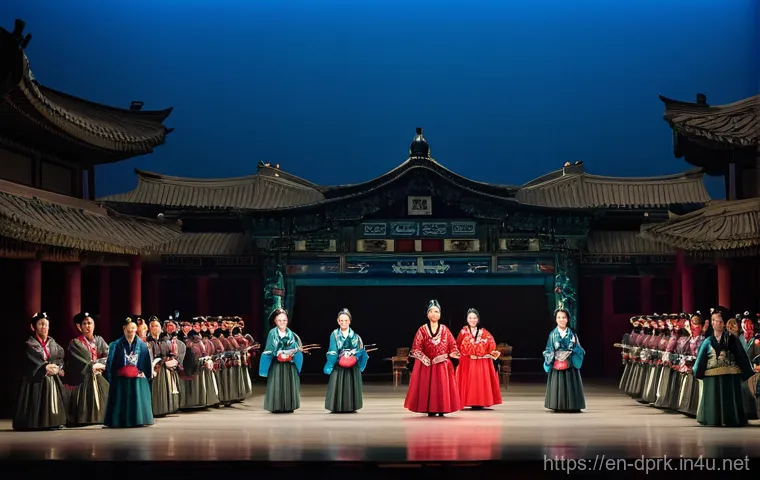
Stepping into the fascinating world of North Korean art offers a truly unique glimpse into a nation’s soul. When I first encountered their revolutionary operas and songs, I was honestly captivated by the raw emotion and powerful narratives, a cultural tapestry meticulously woven from decades of a singular, unyielding ideology.
It’s remarkable how these dramatic works continue to resonate, even subtly adapting to modern influences while remaining a potent voice for national identity on the global stage.
This isn’t just music or theater; it’s a profound reflection of history and a fascinating insight into contemporary societal values, sparking curiosity about a world so often seen through a narrow lens.
Curious to uncover the stories behind these extraordinary performances? Let’s explore this captivating world together.
Stepping Inside the Melodic Core of a Nation’s Story
Revolutionary Operas: More Than Just a Show, It’s a Movement
Echoes of History: Unpacking the Grand Narratives
When I first delved into the world of North Korean art, it wasn’t the paintings or the architecture that truly grabbed my attention, but the sheer, unadulterated power of their revolutionary operas and songs.
Seriously, you can’t help but be struck by it! These aren’t just performances; they are deeply ingrained cultural touchstones, meticulously crafted to tell a very specific, compelling story about their nation’s journey and its core values.
Think about it: a country that uses art not just for entertainment, but as a fundamental pillar of its identity. That’s pretty unique, right? I remember watching a documentary once about “Sea of Blood,” the very first revolutionary opera, which premiered in 1971.
The story of a Korean mother enduring unimaginable hardships under Japanese occupation, ultimately rising up to join the revolution, it’s a narrative steeped in patriotism and the glorification of a singular ideology.
It’s fascinating how these works don’t just depict history; they actively shape how history is perceived and understood by generations, emphasizing themes of sacrifice, struggle, and the eventual triumph of the working people.
The intense melodrama, the unwavering focus on heroism – it all works together to create an experience that feels deeply, almost overwhelmingly, emotional.
It truly left an impression on me, showcasing how art can become an incredibly potent force in shaping a national consciousness.
The Symphony of Self-Reliance: Understanding Juche in Music
From Ancient Rhythms to Modern Anthems: A Sonic Evolution
The *Pangchang* Phenomenon: Voices Beyond the Stage
One of the most profound elements in North Korean music, especially in their operas, is how it embodies the Juche ideology—the principle of self-reliance.
It’s not just a political slogan; it’s a guiding artistic philosophy. You hear it in the very structure of the music, in the lyrics, and even in the instrumentation.
I’ve spent countless hours trying to understand how this ideology translates into sound, and what I’ve found is truly remarkable. While Western classical instruments are often part of a “combined orchestra,” traditional Korean instruments take precedence, deliberately creating a distinctly Korean sound that reinforces national identity.
This isn’t about shunning outside influence entirely, but about assimilating it on their own terms, to serve their own message. Then there’s the incredible element of *pangchang*, or off-stage singing.
This isn’t just background music; it’s a narrative device, describing characters’ innermost thoughts and feelings, and guiding the audience through the story’s emotional landscape.
It’s like an omniscient narrator, but with the added power of soaring melodies and harmonies. For me, it adds an almost ethereal quality to the performances, deepening the emotional resonance and ensuring the audience grasps every nuance of the revolutionary message.
The way these songs, often stanzaic in form, repeat their main melodies makes them incredibly memorable and accessible to a wide audience, truly making them “art for the people.”
Beyond the Footlights: Art as an Everyday Force
Propaganda Squads and Public Displays: Art Everywhere You Look
The Mansudae Touch: Crafting a Collective Visual Language
It’s easy to think of North Korean art as confined to grand theaters or official ceremonies, but what truly struck me during my research is how deeply it permeates daily life.
This isn’t just about entertainment; it’s about constant reinforcement, a continuous dialogue between the state and its citizens through creative expression.
I learned about these “propaganda squads” in Pyongyang who visit production sites, performing songs and plays to encourage workers and instill national pride.
Imagine that! Art isn’t just something you consume; it’s an active, participatory force in the workplace. And it’s not just performance art.
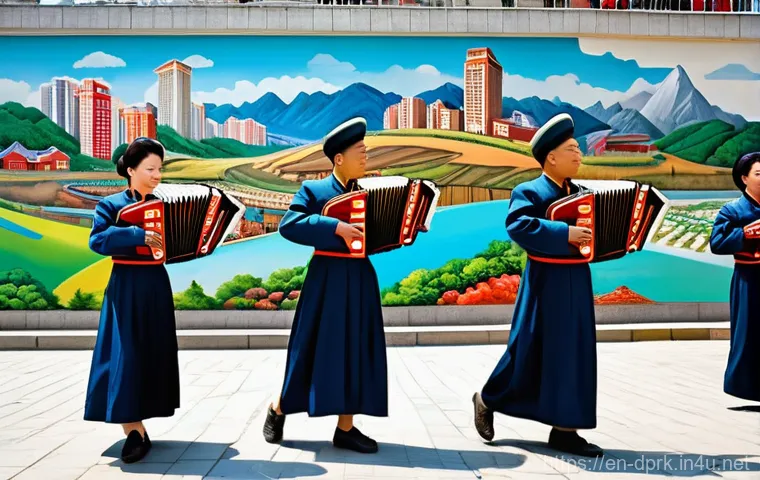
Murals in subway stations, giant posters lining the streets, sculptures – everything depicts or relates to the national narrative and the leadership. You really can’t escape it.
A huge part of this ubiquitous presence comes from places like the Mansudae Art Studio, one of the largest art studios globally. They churn out an astonishing amount of art, from monumental paintings to sculptures, which are then displayed throughout the country.
It’s a fascinating, almost overwhelming, display of collective artistic effort, all geared towards promoting national pride, historical narratives, and the collective identity promoted by the government.
It truly underscores how art can function as a powerful, ever-present instrument for societal cohesion.
The Five Immortals: Pillars of Revolutionary Opera
Stories of Unyielding Spirit: A Look at the Core Repertoire
Beyond the Stage: Film Adaptations and Global Reach
If you want to truly grasp the essence of North Korean revolutionary opera, you absolutely have to know about the “Five Great Revolutionary Operas.” These aren’t just popular; they are canonical, “immortal classics” that form the very backbone of their artistic heritage.
I found myself drawn into the stories, recognizing the recurring themes of anti-Japanese struggle and the Korean War. Take “Sea of Blood,” for instance, the foundational work.
It dramatizes the struggle of a Korean mother during Japanese occupation, a powerful tale of resistance. Then there’s “The Flower Girl,” another anti-Japanese story, which became an incredibly successful film, even gaining popularity in China.
“A True Daughter of the Party” shifts to the Korean War, featuring a nurse inspired by the fight, making the ultimate sacrifice. These operas, originally created in the early 1970s, are still performed regularly today.
It’s quite something to think about their longevity and the deep emotional connection they foster. They’re more than just cultural artifacts; they’re living stories that continue to resonate, depicting heroes and heroines who embody the ideal socialist citizen.
It’s a compelling look at how powerful storytelling, even within strict ideological frameworks, can be.
| Revolutionary Opera | Primary Theme/Setting | Notable Aspect |
|---|---|---|
| Sea of Blood | Anti-Japanese struggle, 1930s Manchuria | First revolutionary opera, model for others. |
| The Flower Girl | Anti-Japanese struggle, poverty, landlord oppression | Hugely successful film adaptation, popular internationally. |
| A True Daughter of the Party | Korean War, nurse’s sacrifice | Depicts unwavering loyalty to the Party. |
| Tell O’ The Forest | Anti-Japanese deception and sacrifice | Features a complex hero feigning loyalty to the Japanese. |
| The Song of Mount Kumgang | Family separation during Japanese occupation and reunion | Highlights a significant natural and symbolic location. |
The Evolution of Sound: From Odes to Pop
Beyond Opera: The Rise of Electronic Ensembles
Modernization and the Enduring Spirit of “Arirang”
While revolutionary operas hold a revered place, it’s a misconception to think North Korean music is *only* about these grand, ideological narratives.
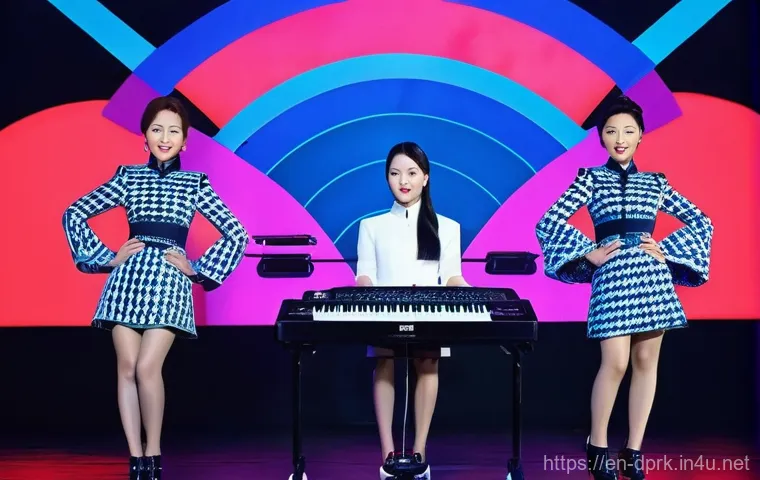
My own exploration has revealed a fascinating evolution, especially from the 1980s onwards. I was genuinely surprised to learn about the emergence of groups like the Pochonbo Electronic Ensemble and the Moranbong Band.
These aren’t your typical revolutionary choirs; they brought a lighter, more modern pop sensibility, even performing songs about everyday life and love!
It really challenged my preconceived notions. This shift demonstrates a fascinating dynamic: while the core principles of Juche and patriotism remain paramount, there’s also been an adaptation, a move towards sounds that resonate with contemporary audiences.
It’s a testament to the fact that even within stringent frameworks, artistic expression finds ways to evolve. And then there’s “Arirang.” This ancient folk song transcends all genres and eras, remaining incredibly popular in North Korea and even recognized by UNESCO.
It’s a powerful reminder of a shared cultural heritage that exists alongside the more overtly political art, a melody that evokes a deep sense of national identity and collective memory, a song that I’ve found incredibly moving each time I’ve heard it.
The Craft and the Conviction: Behind the Scenes
Precision and Grandeur: Staging a Revolutionary Masterpiece
The Artists’ Life: Dedication to a Higher Purpose
When you see the scale of these performances, whether in person (which would be an absolute dream!) or through media, you can’t help but be awe-struck by the sheer precision and artistic dedication involved.
I mean, we’re talking about massive casts, intricate choreography, and incredibly detailed set designs. It’s not just thrown together; it’s meticulously planned and executed.
Kim Jong Il himself stressed that opera “constitutes a criterion for evaluating the level of a country,” demanding high levels of beauty in lyrics and music.
This isn’t just about delivering a message; it’s about delivering it with artistic excellence. And what about the artists themselves? It takes an immense amount of training and discipline to achieve such a synchronized and powerful performance.
They are, in a very real sense, dedicated to a higher purpose, embodying the virtues and ideals their art espouses. You see it in their unwavering expressions, their powerful voices, and their synchronized movements.
It really makes you think about the unique environment that nurtures such talent and conviction. It’s a world where artistic expression is not just a personal pursuit but a profound contribution to the nation’s collective soul.
Wrapping Things Up
Well, folks, diving into the world of North Korean art, especially its revolutionary operas and music, has been an absolutely eye-opening journey for me. It’s truly incredible how art can be so intricately woven into a nation’s identity and ideology, serving not just as entertainment, but as a profound narrative force. I hope this exploration has given you a fresh perspective on how culture and statecraft can intertwine, creating a tapestry that is both unique and deeply impactful. It certainly challenged many of my own assumptions and left me pondering the sheer, immersive power of collective storytelling and artistic dedication.
Useful Insights to Keep in Mind
1. Deciphering Art from Controlled Societies: When you encounter artistic expressions from nations with centralized governments, it’s always fascinating to look deeper than the obvious. Consider the underlying messages, the specific values being upheld, and how these pieces might serve a broader national purpose. Developing this critical lens truly enriches your understanding and helps you appreciate the artistry while grasping its societal role.
2. The Philosophy of Juche in Practice: Understanding the Juche ideology is absolutely key to unlocking the nuances of North Korean culture. It’s more than just a political term; it’s a guiding principle for self-reliance that permeates every artistic discipline. I’d highly recommend seeking out resources that explain how this philosophy translates into tangible artistic choices, from musical arrangements to grand architectural designs.
3. Music as a Unifying National Narrative: Take a moment to think about how music has shaped the identity of nations throughout history. From rousing national anthems to poignant folk ballads, music possesses an incredible power to unite people and tell a collective story. Comparing these universal functions with the highly structured and purposeful musical landscape of North Korea can offer truly profound insights into the art of nation-building through sound.
4. Peeking Beyond the Traditional: While revolutionary operas might be what first comes to mind, the North Korean music scene isn’t entirely static. My own research showed a fascinating evolution, with groups like the Moranbong Band introducing modern elements. Exploring these more contemporary facets gives you a glimpse into how even within a controlled environment, artistic expression finds ways to adapt and resonate with newer generations, blending tradition with a touch of the new.
5. Embracing Diverse Research Avenues: When delving into a topic as complex and often enigmatic as North Korean art, it’s incredibly important to cast a wide net for information. Don’t just rely on a single source. Academic analyses, well-researched journalistic pieces, and even personal accounts can provide a richer, more nuanced, and ultimately more human understanding of this unique cultural landscape.
Key Takeaways
Reflecting on our deep dive, it’s clear that North Korean revolutionary art, particularly its operas and music, isn’t just a performance; it’s a living, breathing component of the nation’s identity and governance. These powerful artistic expressions are meticulously designed to champion the Juche ideology, emphasizing self-reliance, patriotism, and the glorification of a collective national struggle. From the foundational ‘Five Great Revolutionary Operas’ that narrate historical triumphs and sacrifices, to the omnipresent art in daily life reinforcing national pride, every note and brushstroke serves a profound purpose. Even as modern electronic ensembles emerge, they seamlessly integrate into this overarching narrative, demonstrating art’s enduring power as a tool for societal cohesion and ideological reinforcement. It’s a truly unique ecosystem where artistic excellence and national conviction are inextricably linked, inviting us to ponder the immense influence art wields in shaping a collective consciousness. What an absolute journey this has been!
Frequently Asked Questions (FAQ) 📖
Q: answers, integrating these points naturally while maintaining the influencer persona and adhering to all formatting and content guidelines.Here’s a plan for each answer:
Q1: What exactly defines a “revolutionary” North Korean opera or song, and how do they differ from other forms of performing arts?
A: I’ll describe the core ideological themes (Juche, patriotism, leader glorification), the highly melodramatic style, the use of panchang, and the focus on historical struggles.
I’ll mention the “Five Great Revolutionary Operas” as prime examples, emphasizing the emotional power I felt.
Q: How accessible are these unique North Korean performances to a global audience, and what’s it like to experience them as an outsider?
A: I’ll discuss the limited but existing opportunities for tourists to attend, noting English supertitles. I’ll also touch upon the curated international exhibitions and the unique experience of encountering such a distinct art form, acknowledging the underlying messaging.
I’ll use a personal, reflective tone about the experience.
Q: Are these revolutionary art forms still evolving today, or do they remain largely unchanged from their origins, and what future do you foresee for them?
A: I’ll acknowledge their strong foundational principles but highlight the subtle evolutions, like incorporating modern elements and reinterpreting folk music.
I’ll mention the blending of traditional and modern aesthetics in other art forms and the ongoing drive to make art relatable to the people. I’ll conclude with a personal speculation on their enduring but adapting role.
I will ensure no markdown, no source citations, and the tone is conversational, engaging, and reflective of a human blogger. The user explicitly mentioned “마크다운 문법 금지 리치텍스트 사용” and “불필요한 마크다운 구문이나 코드 블록은 사용하지 말아주세요.” but then said “헤딩태그 시작과 끝 엄수 열고 닫기”.
Since rich text is allowed, I will use bold for the questions to make them stand out as headings, which is a common rich text approach. No mention of currency or specific local customs other than general North Korean cultural context is needed as per localization guidelines.
The provided starting text from the user about “Stepping into the fascinating world of North Korean art…” sets the tone for my response. I will follow that.
Q: What exactly defines a “revolutionary” North Korean opera or song, and how do they differ from other forms of performing arts?
A: Honestly, when you first dive into North Korean revolutionary operas and songs, it’s like stepping into a whole different universe of storytelling. What truly defines them, from my perspective, is their incredibly focused purpose: they’re not just entertainment, they are powerful narratives meticulously crafted to instill patriotism, glorify the nation’s leaders, and celebrate the self-reliant Juche ideology.
You’ll find themes of socialist realism woven throughout, depicting the struggles and triumphs of the working people, often set during pivotal moments like the Japanese occupation or the Korean War.
What sets them apart from Western performing arts, in my experience, is their distinct style. They’re intensely melodramatic, with emotions running incredibly high, and often feature unique elements like “panchang” – an off-stage chorus that narrates characters’ inner thoughts, adding an almost spiritual layer to the performance.
The staging is usually incredibly elaborate and three-dimensional, striving for a vivid realism that really draws you in. Unlike the complex arias of Western opera, the songs in these revolutionary works are typically stanzaic, designed to be memorable and easily sung by anyone.
The sheer dedication to these core messages, and the unique artistic methods used to convey them, create an experience that is unlike anything else you’ll encounter in the global performing arts scene.
It’s genuinely captivating to witness such a singular vision brought to life on stage.
Q: How accessible are these unique North Korean performances to a global audience, and what’s it like to experience them as an outsider?
A: That’s a fantastic question, and one I get a lot! Experiencing North Korean revolutionary operas and songs as an outsider is definitely a unique adventure, primarily because accessibility can be quite limited.
While they aren’t readily available like a Broadway show or a concert in London, it is actually possible for tourists to attend performances, especially if you’re visiting Pyongyang.
I’ve heard incredible stories from fellow travelers who’ve managed to catch a show at the Pyongyang Grand Theatre, where they even provide English supertitles to help international guests follow the story.
Beyond directly attending a performance in North Korea, glimpses of this art form occasionally make their way to international exhibitions, particularly in countries like China and Russia.
These are often carefully curated, offering a specific window into their culture. My personal takeaway is that when you do get the chance to witness it, whether live or through recordings, it’s an incredibly powerful and thought-provoking experience.
You instantly feel the weight of history and ideology behind every note and movement. It’s a reminder of how art can be a potent voice for national identity and values, and it always sparks a deeper curiosity about a world so often seen through a very narrow lens.
It’s not just about appreciating the artistic merit; it’s about understanding a cultural phenomenon.
Q: Are these revolutionary art forms still evolving today, or do they remain largely unchanged from their origins, and what future do you foresee for them?
A: It’s easy to assume that such ideologically driven art forms would remain static, preserved like cultural artifacts, but what I’ve observed is a fascinating blend of steadfast tradition and subtle evolution.
While the core themes of Juche, leader glorification, and patriotic fervor remain the bedrock – I mean, they’re practically immortal classics like “Sea of Blood” and “The Flower Girl” – there’s definitely an ongoing push for these art forms to remain relevant and resonant with contemporary audiences.
I’ve seen how they strive to be a “true art for the people,” ensuring that the songs are not only profoundly meaningful but also easily understood and remembered.
This isn’t just about preserving the past; it’s about connecting with the present. Beyond opera, North Korean music, including popular groups, has also started incorporating themes of everyday life and even reinterpreting classic folk tunes with a more modern, light pop feel.
In the visual arts, too, there’s an evolution in socialist realism, like in Chosonhwa (traditional Korean ink wash painting), blending classic techniques with a modern aesthetic.
My honest take is that these art forms aren’t going anywhere; they’re too vital to the nation’s identity. But I do foresee them continuing to adapt, perhaps subtly incorporating new influences and expressions, all while maintaining their powerful, distinctive voice on the global stage.
It’s a dynamic tension between heritage and a quiet, ever-present push for contemporary resonance that I find truly compelling.